Licensing
Product Licensing: A Complete Introductory Guide to Turning Ideas into Passive Income
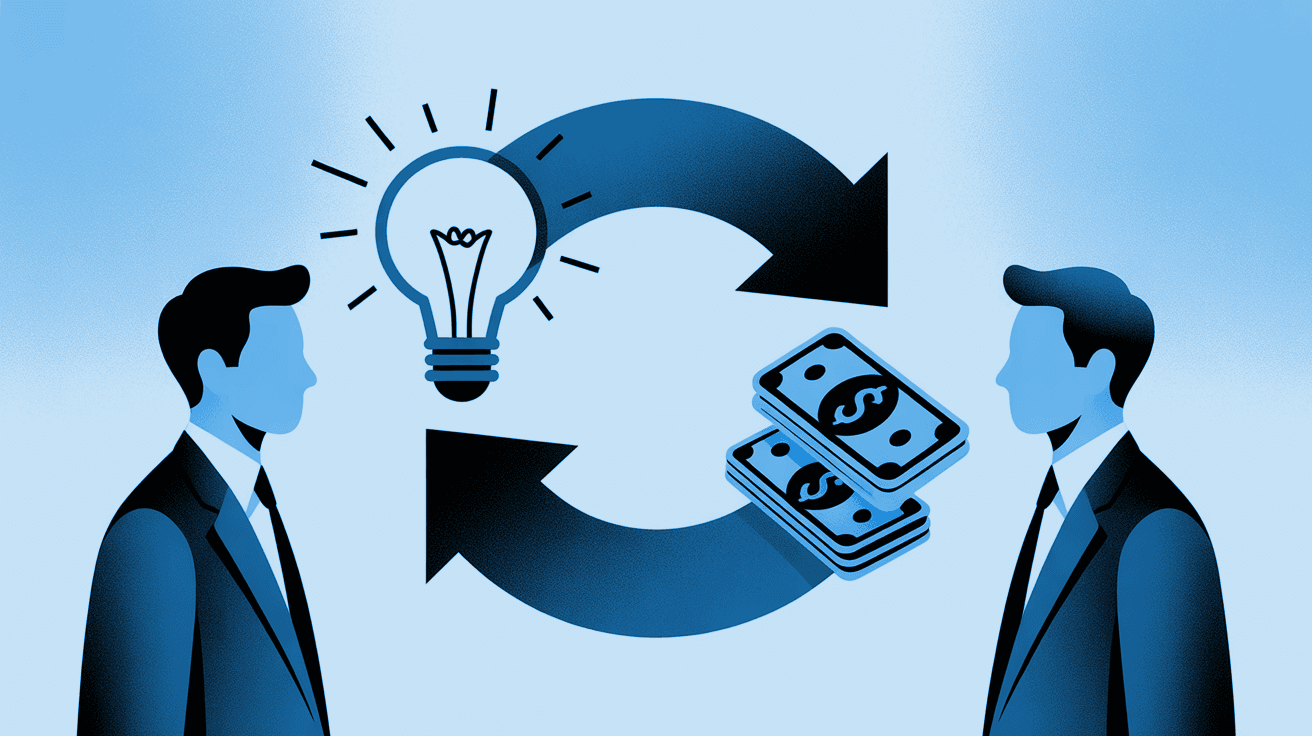
Product licensing is one of the most powerful—and often misunderstood—ways to turn creativity into passive income. It allows inventors, designers, and entrepreneurs to bring ideas to market without starting a business, raising capital, or managing manufacturing.
At its core, product licensing is simple: you allow a company to use your idea, and in return, you receive a royalty on every product they sell—typically around 5% of the wholesale price for consumer goods.
To make this concept easier to understand, Tim Ferriss famously coined the phrase “renting your idea.” By replacing the word “licensing” with “renting,” he made the model far more accessible to people who were unfamiliar with intellectual property. That simple shift helped millions quickly understand how they could profit from their ideas without building a business.
Ferriss later went on to write one of the most influential and bestselling business books of all time, The 4-Hour Workweek, where he discussed product licensing as a powerful way for entrepreneurs to start a business and bring their ideas to market without the traditional burdens of manufacturing and operations. Tim wrote about the power of licensing and how it influenced his thinking in his 2007 blog post, “A Beginner's Guide: How to Rent Your Ideas to Fortune 500 Companies.”
What Is Product Licensing?
Product licensing is the process of granting a company the rights to manufacture, market, and sell your invention. These companies—often called “open innovation” companies—actively seek ideas from outside their organization.
In most cases, the agreement is exclusive. In exchange for that exclusivity, the company pays you a royalty on every unit sold.
Rather than building a business yourself, you leverage an existing company’s:
-
Manufacturing capabilities
-
Distribution channels
-
Retail relationships
-
Marketing expertise
-
Legal protection
This allows you to focus on what you do best: creating ideas.
Product Licensing: A Model Rooted in U.S. History
Product licensing dates back to the origins of the U.S. patent system.
According to patent attorney Gene Quinn, founder of IPWatchdog, the U.S. patent system was designed with licensing in mind. Early American innovators—many of whom were farmers—developed new technologies but had no intention of leaving their farms to commercialize them.
Licensing allowed them to share their inventions while getting paid.
One notable example involves President George Washington. The third U.S. patent ever issued (before patents were formally numbered) covered a flour-processing innovation that improved how flour was separated from bran. Washington licensed this invention, and it can still be viewed today at Mount Vernon.
Of course, the concept of licensing is much, much older than the U.S. patent system.
Louis Carbonneau, an inventor who was the general manager of IP Licensing at Microsoft, captured this perfectly on the Understanding IP Matters podcast.
“Licensing is here to stay, because you cannot ultimately utilize everything you create; so you have to let go of your excess inventory, which is the licensing out part.
Conversely, you cannot possibly create everything you might need to build your product or service; so you have to import the rest from others. This is the licensing in part.
That is just the law of nature and the very basis for how commerce started between two fishing villages 10,000 years ago and evolved to this day.”
Product Licensing vs. Brand Licensing
A common point of confusion is the difference between product licensing and brand licensing.
-
Product licensing involves functional inventions—ideas that solve problems.
-
Brand licensing involves recognizable intellectual property such as logos, characters, or celebrity names.
Brand licensing is extremely powerful. Well-known brands and personalities can dramatically increase product sales by leveraging built-in recognition.
While the assets differ, licensing agreements are structured similarly, often including:
-
Grant of license
-
Royalty rates
-
Minimum guarantees
-
Performance clauses
-
Audit rights
-
Indemnification
Why Product Licensing Is So Powerful
For many creative individuals, product licensing offers a smarter, more accessible path.
Low Cost and Low Risk
You don’t need significant capital or infrastructure.
No Need to Start a Business
You can license ideas while keeping your day job.
Speed to Market
Companies already have systems in place, allowing products to launch quickly—critical in today’s fast-moving world.
Built-In Distribution
You gain access to established retail channels and shelf space.
Legal Protection
Larger companies often have legal teams that can defend against copycats.
The Trade-Offs
-
Lower margins: You earn royalties instead of full profits
-
Less control: The licensee controls production and marketing
However, because of scale, many inventors earn more through licensing than they would independently.
Stephen Key’s Product Licensing Success Stories
Product licensing works across industries. I know, because I’ve done it!
Early on, I licensed products to Applause, including a plush airplane and character-based merchandise.
Another major success was the Michael Jordan Wall Ball, which I licensed to the Ohio Art Company, and which remained on the market for over a decade.
In housewares, I licensed products to Trudeau Corporation that sold globally, including in Disney theme parks and retail stores.
In the packaging industry, I licensed a rotating label innovation called Spinformation to CCL Industries, demonstrating that licensing extends far beyond consumer goods.
Different Ways to License a Product
One of the greatest strengths of product licensing is flexibility.
Traditional Licensing
License your idea to a company and receive royalties.
Geographic Licensing
License the same product to different companies in different countries.
A powerful example is entrepreneur Mohamed Ali from Cairo, Egypt. First, he licensed his Power Lock invention to companies outside of his country by securing intellectual property rights in those regions.
The revenue generated from those international deals allowed him to eventually start his own manufacturing business in Cairo. Today, he sells over 100 products and employs hundreds of people locally. Learn how he leveraged the power of product licensing in the YouTube interview, How to Launch a Product: Turning $50 Into a $10 Million Dollar Business.
In this way, licensing can be a launching pad. You can use product licensing to generate capital and then later build your own company.
Multi-Category Licensing
Inventors often license products across industries—kitchen tools, fitness, automotive, toys, and more—building multiple income streams.
The Influence of Tim Ferriss and inventRight
Tim Ferriss not only made licensing easier to understand by coining the phrase “renting your idea,” but also demonstrated its power through his work and teachings.
As one of the first members of inventRight, the company founded by Andrew Krauss and Stephen Key, Ferriss was deeply interested in licensing and had a product he wanted to bring to market.
inventRight was created to provide a simple, low-cost system that allows anyone to license their ideas without the traditional risks of starting a business.
A 10-Step System to Becoming Successful at Product Licensing
InventRight developed a structured 10-step process to help inventors license their ideas without significant financial investment.
The inventRight system teaches inventors how to:
-
Develop ideas companies want
-
Present them effectively
-
Secure licensing deals
-
Build repeatable skills
The goal is to become a professional inventor—someone who can consistently create and license ideas over time.
For more than 26 years, inventRight has been helping inventors turn their ideas into products with licensing. People from more than 65 countries have joined their Become a Professional Inventor coaching program to learn the 10 steps and license their products.
inventRight has created countless success stories through its books, webinars, videos, and coaching programs. Read testimonials for inventRight here.
The Product Licensing Education Gap—and a Solution
Despite its effectiveness, product licensing is rarely taught in higher education.
This gap led inventRight cofounder Stephen Key to write One Simple Idea: Turn Your Dreams Into a Licensing Goldmine, first published by McGraw-Hill in 2011.
The book provides a step-by-step guide showing how anyone can get started in licensing—no matter where they live or how much money they have.
You can live anywhere in the world and start licensing ideas on a very limited budget.
Why Companies Embrace Product Licensing
Companies that embrace open innovation understand that great ideas often come from outside their walls.
By licensing ideas, they can:
-
Reduce development costs
-
Increase innovation
-
Move faster to market
Independent inventors often bring fresh perspectives and higher motivation.
Final Thoughts on Product Licensing
Product licensing is about leverage.
Instead of building everything yourself, you partner with companies that already have the infrastructure, distribution, and expertise to succeed.
It allows you to:
-
Focus on creativity
-
Minimize risk
-
Access global markets
-
Build scalable income streams
And thanks to Tim Ferriss—who coined the phrase “renting your idea” and went on to write The 4-Hour Workweek—millions of entrepreneurs now see product licensing as a legitimate, accessible way to start a business and bring ideas to market.
You don’t need a lot of money.
You don’t need to start a company.
You don’t need to live in a major city.
You simply need a good idea—and the willingness to share it with the right company.
That’s the true power of product licensing.

About the contributor
Stephen KeyStephen Key is an award-winning inventor, renowned intellectual property strategist, lifelong entrepreneur, author, speaker, and columnist. Stephen has over 20 patents in his name and the dozens of concepts he has brought to market have retailed in Walmart, 7-Eleven, and Disney stores and parks worldwide and been endorsed by Michael Jordan, Alex Trebek, and Taylor Swift. He has defended his patents in federal court against the largest toy company in the world, Lego’s. In 1999, he cofounded inventRight to teach others his unique process for harnessing the power of open innovation and the licensing business model. His bestselling book about how to license an idea, One Simple Idea by McGraw-Hill, has been translated into six languages. He has written more than 1,000 articles about intellectual property strategy, product licensing, and entrepreneurship for publications online including Forbes, Inc., and Entrepreneur. Universities and governmental organizations around the world regularly invite him to teach them inventRight’s unique processes for commercializing new product ideas. Stephen has won over 20 industry awards, including two Edison Awards and the Most Influential and Inspiring Leader Of All Time by the WorldIP Forum in 2022. In 2018, he was recognized as a AAAS-Lemelson Invention Ambassador. In 2020, he became a founding member of the United States Intellectual Property Alliance. In 2022, Stephen contributed to “Cases in IP Strategy: Industry Lessons Learned” from the non-profit Michelson Institute for IP. Currently, he’s part of the team responsible for launching a new sustainable packaging innovation that replaces the need to use plastic to carry beverages called Fishbone.
More from Innovate This
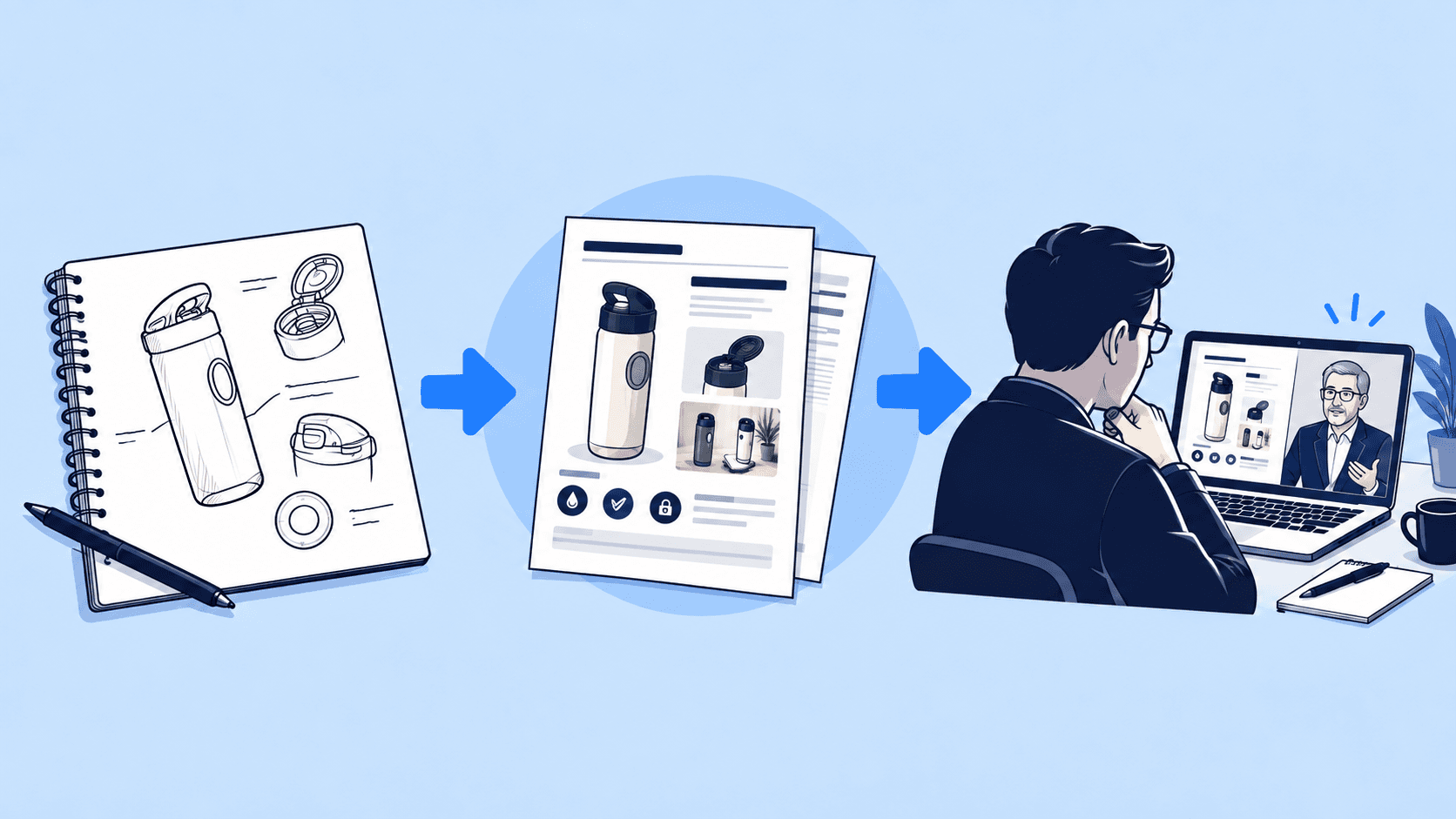
How to Create a Sell Sheet That Gets Companies Interested in Your Product
Learn how to create a product sell sheet for licensing that gets companies interested. Discover what to include, what to leave out, and how strong positioning can help your product stand out.
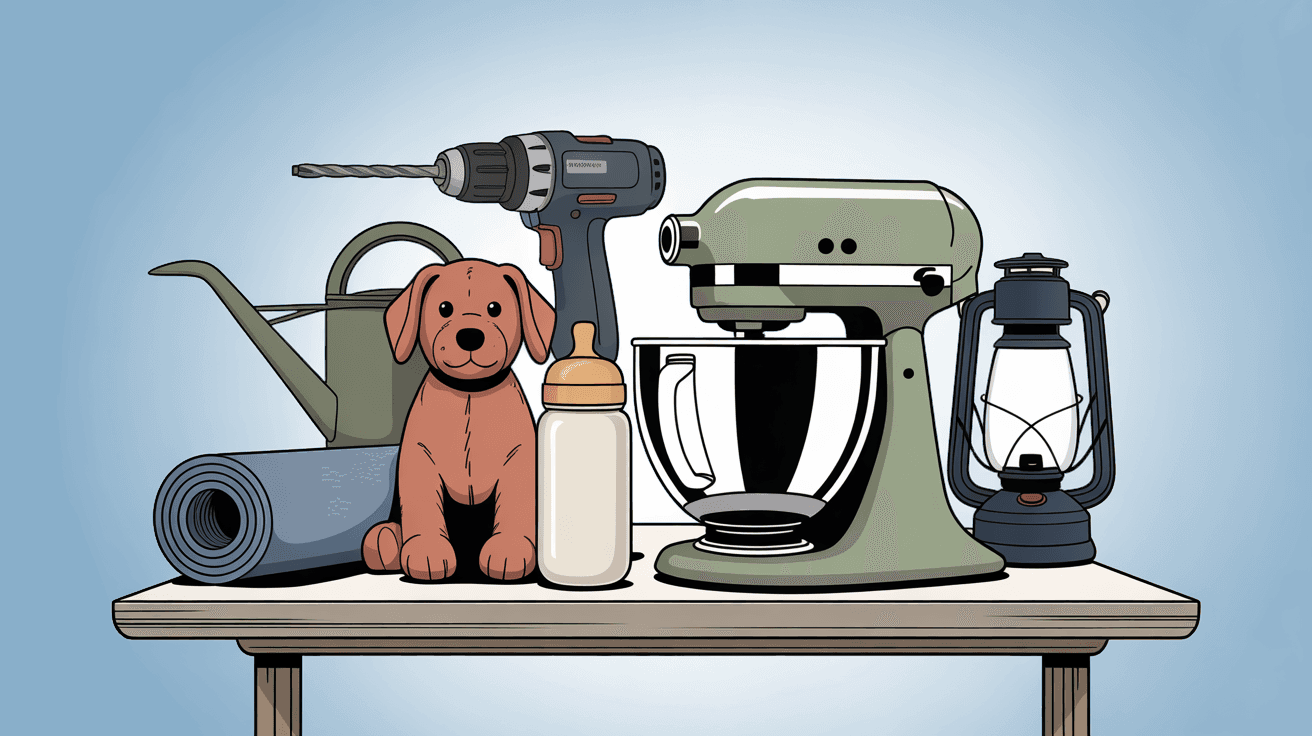
8 Things Companies Look for Before Licensing a Product
Want to sell an idea to a company? Learn what makes a product license-ready — from a licensing expert who's done it since his 20s.
