Inventing
You Don't Have an Idea Problem. You Have a Traction Problem.

You did everything right.
You designed your product. You refined the prototype through multiple iterations. You protected your intellectual property. You found a manufacturer, figured out packaging, maybe even got your product into stores or onto Amazon.
From the outside, it looks like success.
But here's what's really happening: Sales are flat. Revenue doesn't cover real life. And every night, you're lying awake asking yourself the same question:
"If my product is good… why isn't it selling?" You have a traction problem.

Your Traction Problem: The Torture You Don't Talk About
Larry Fleming, inventor and entrepreneur, captured the traction problem bluntly to me: "You put some of them in your garage and your wife's mad at you. So you go down to the local storage facility and you get a 10 by 20. Now your fixed costs are beginning to continue."
That's not a beginner's mistake. That's what happens to smart, experienced people who've invested real money—$50,000, $80,000, sometimes more—into products that should be working.
Enrique Baiz, who built a 13,000-SKU product line, describes what still keeps him up at night: “It's probably going to be sales. But sometimes it worries me and it worries me because I'll say when I go to sleep at night, I say, okay, why this is not selling. And I start, sometimes it has happened to me at 1:00 AM in the morning, I said, why this is not selling. So I started Googling the product. I said, probably somebody copied and is undercutting me or something.”
Julie Stevens, who launched a ready-to-drink cocktail brand, learned the hard way that even award-winning products don't sell themselves: "It's a very expensive education… It's not like you design a great product and it wins awards, and now you're golden.”
These aren't dreamers with napkin sketches. These are people with patents, prototypes, inventory, and real businesses.
They've already survived the hard part. Or so they thought.
The Distribution Trap
Here's what most inventors discover too late: Getting product made is not the same as getting product sold.
Don Brown, inventor of the AB Roller (which sold over 10 million units), explains the brutal economics: "So many people misunderstand that. They think if you see something on a store shelf for 10 bucks, oh I can make it for five and make money. No, that's what the retailer's going to want to get the product for—half of this price."
The math doesn't lie. You need margins to support the entire chain: Manufacturing, shipping, warehousing, marketing, distribution, retail markup.
And that's before you consider the real problem: Visibility.
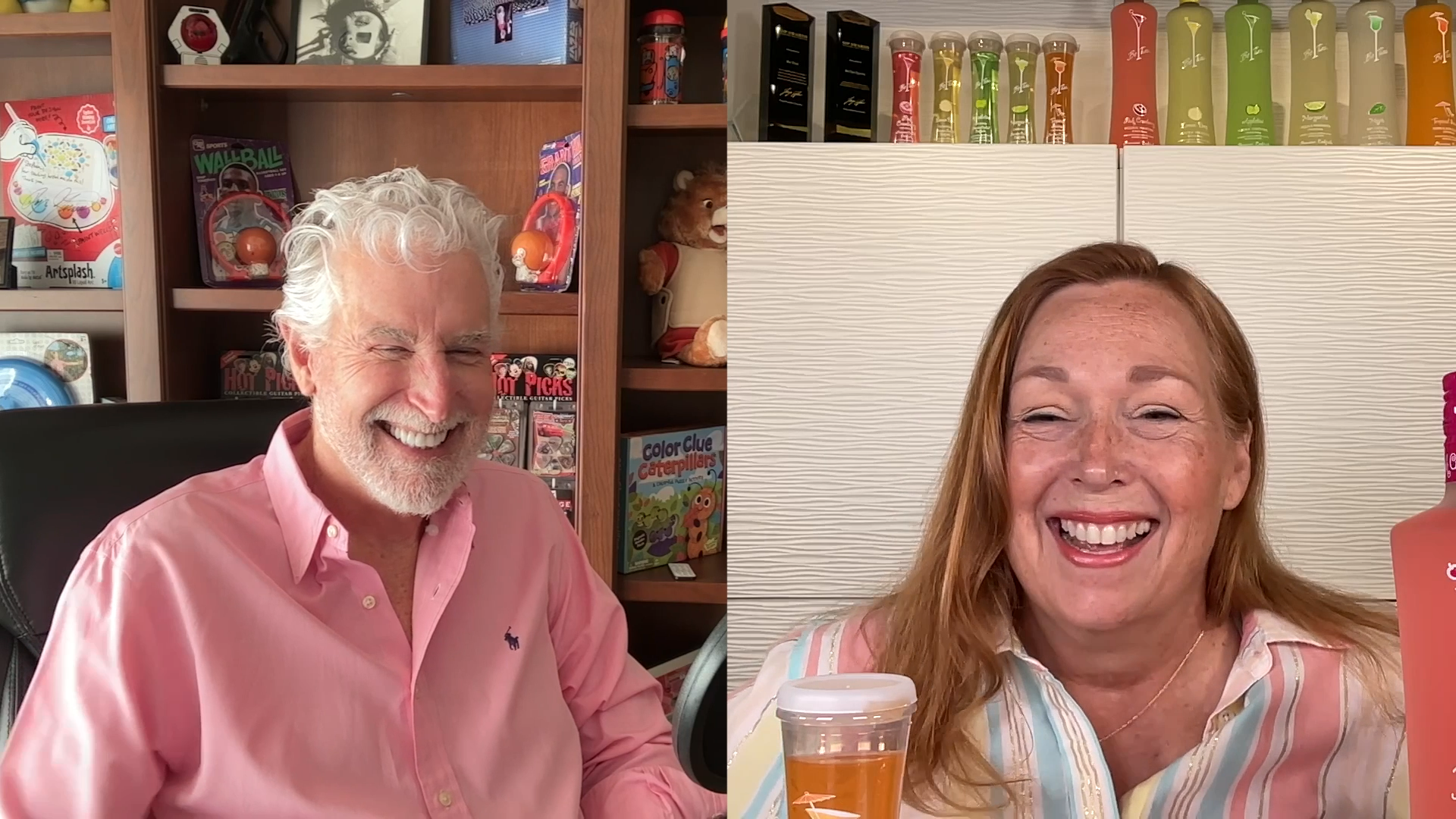
Julie Stevens learned this selling into Kroger: “You're in cars with salespeople all day long, every day selling it into liquor stores. And then you've got to from there, market it to people after that because it's by law three tier system. I have to sell it to distributor, they've got to buy into it. Now I've got to help them sell it into retailers, they've got to buy into it. And now I've got to market it to the general public and hope that they like it enough to pull it through all those channels.”
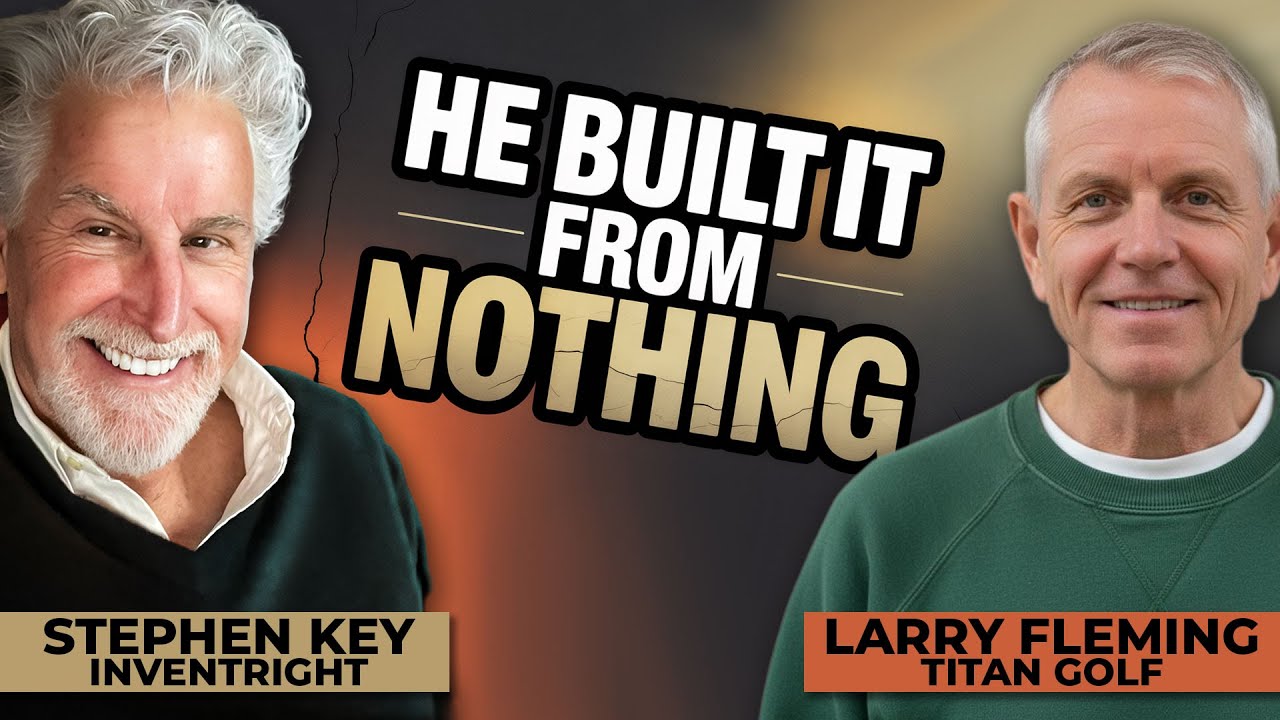
Larry Fleming discovered the same thing with his golf tee: "That person's not going to replace the golf tee that they got. They get 100 of them in a bag for $9.95. Our package is $14.50. But what they can't do that this one will do is now if you're at a driving range… you're going to practice intelligently."
Watch Larry's full story on inventRightTV.
The product was better. The price was justified. But without the right distribution and positioning, it didn't matter.
The Amazon-Only Trap
Amazon seems like the answer to the traction problem, right? Direct to consumer. No gatekeepers. Ship it and watch the money roll in.
Except it doesn't work that way.
Here's what actually happens:
- Traffic comes in, but conversions are weak
- Orders trickle instead of flow
- There's no predictability
- You can't afford to reinvest in inventory or marketing
- Growth feels risky instead of exciting
You're not disappointed—you're stressed. The bills don't stop because your sales are inconsistent.
And you know the product needs more visibility, better channels, the right partners…. but you don't know how to break out.
"I Did Everything Right—And I Still Might Fail"
This is the deeper frustration. The one that really stings.
The self-doubt creeps in:
- "Is it me or the product?"
- "What am I missing?"
- "How long can I keep this up?"
You've invested years of work. Tens of thousands of dollars. Maybe more. You've proven the concept. You've got customers who love it.
But the business isn't growing. And you're running out of runway. This is a traction problem.
What Actually Works for Product Entrepreneurs Facing a Traction Problem: The Relationship Game
Here's what every successful inventor in these stories discovered: This is a relationship business.
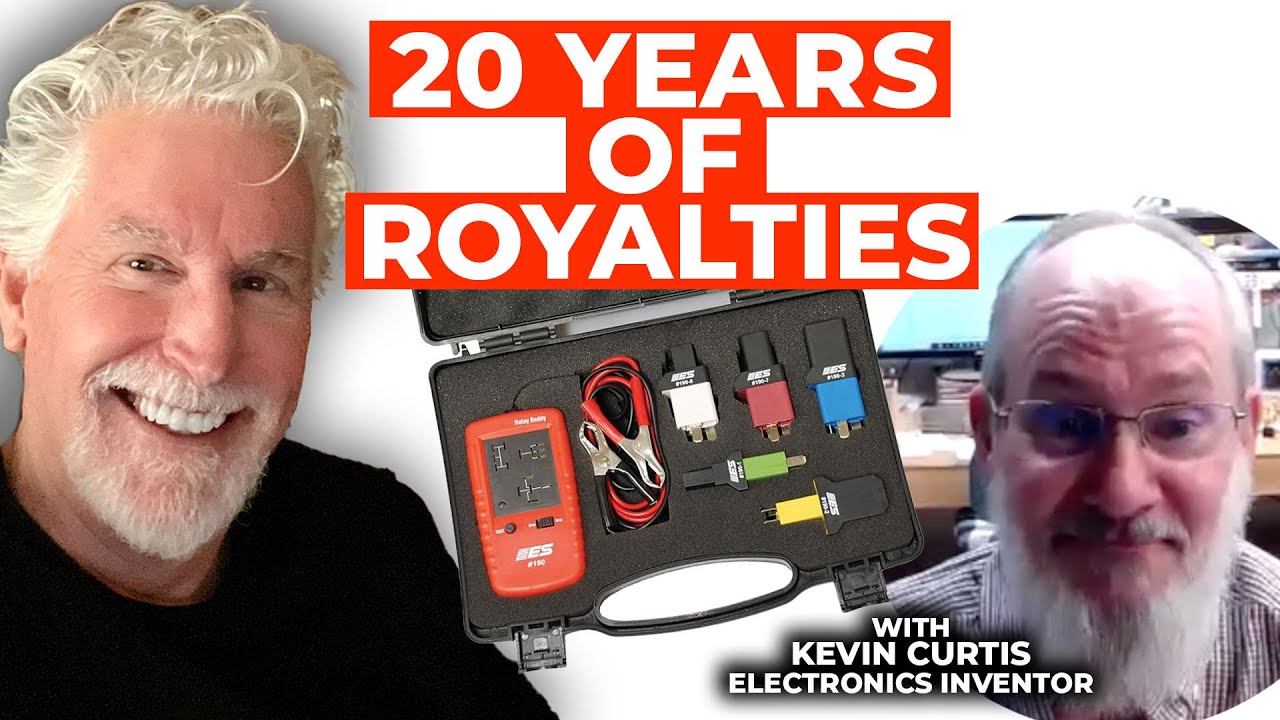
Kevin Curtis, who licenses electronic tools and lives off royalty checks, learned that reaching out isn't scary—it's necessary: "These guys need ideas, they need tools, they need product. Every industry does, especially these guys, because there's so much competition for ideas."
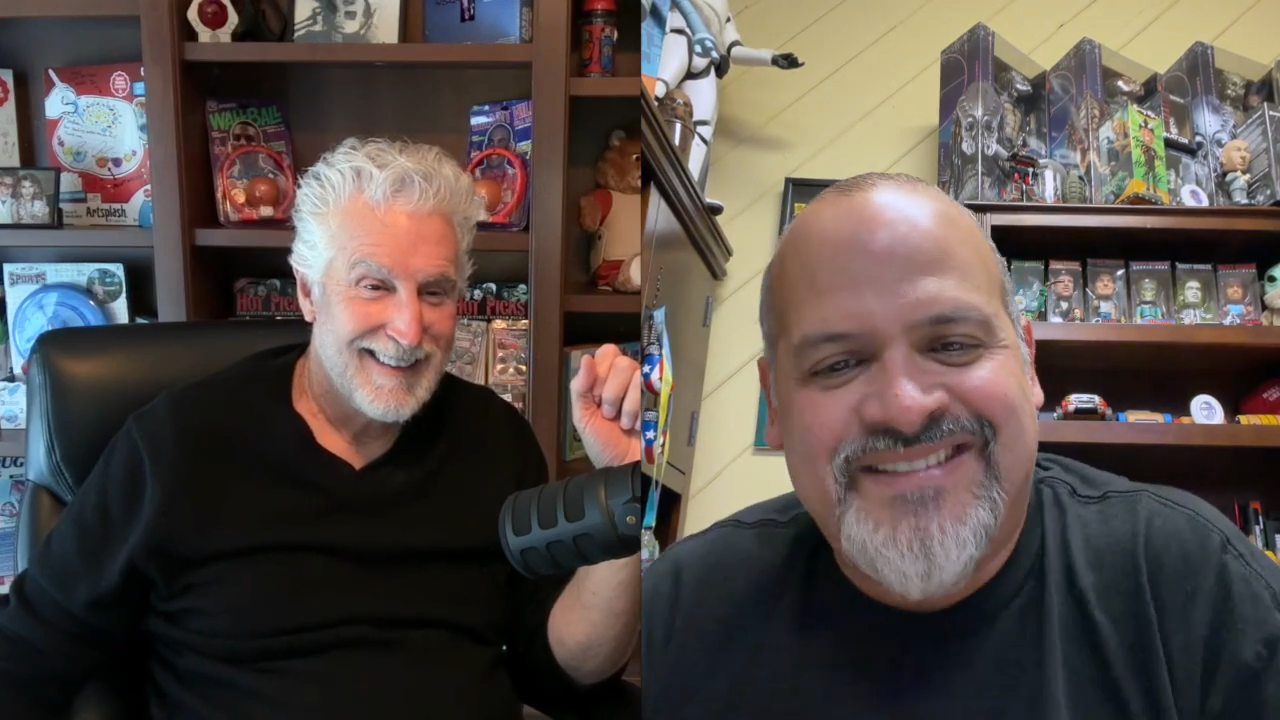
Enrique Baiz's breakthrough came from a vendor relationship: "He reached out and told me, 'Hey listen, I know you're good at this. You certainly know what you're buying. You certainly know the market...' So he said, let's make a few products, I'll send them over, I'll give you some terms."
Hear more about Enrique's journey on inventRightTV.
Julie Stevens is direct about what she wishes she'd known: "In the beverage industry especially, it is so relationship driven. Coming into it cold with no relationships and they don't know who you are… find someone who's been in it for 10, 20, 30 years who has lots of contacts and can help you."
Watch Julie's interview on inventRightTV.
The pattern is clear: The inventors who break through aren't just good at making products—they're good at making connections. This is how you begin solving the traction problem.
Will Licensing Solve Your Traction Problem?
Here's what most inventors don't consider: You don't have to build the distribution yourself.
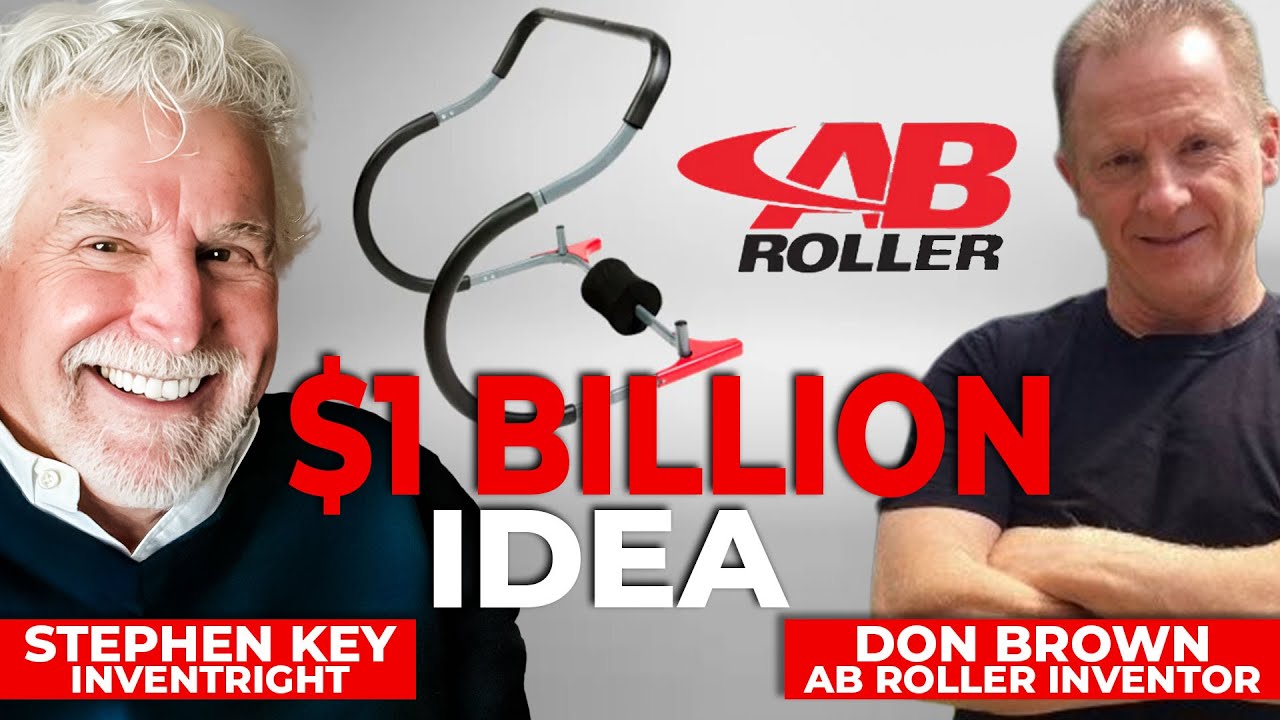
Don Brown, after spending $12 million on patent litigation, came to a realization: "If I could have taken all those people to the table and cut a license deal, I would've made a lot more money."
Learn more from Don on inventRightTV.
Kevin Curtis took a different path from the start. He licenses his inventions and collects royalty checks: "I quit about 16 years ago… I'd work with AT&T and get home, come down here and I'm busy. And so I finally got so busy, I quit working… and have been on my own since then and it's been wonderful."
Larry Fleming understands why licensing makes sense: "You need a business that when you're sleeping, you're still making money."
The companies you'd license to already have:
- The distribution networks you don't
- The retail relationships you can't get
- The marketing budgets you can't afford
- The manufacturing scale you can't achieve
They just don't have your product.
Want to learn more about the licensing process? Check out inventRight’s free resources on how to license a product.
What's Your Product Really Worth?
Here's the truth nobody tells you: Your product is worth what you can negotiate, not what you think it deserves.
Kevin Curtis is refreshingly honest about royalties: "There is no royalty rate... You can get exactly what you can negotiate. That is the honest truth."
See his licensed products and hear his story on inventRightTV.
But here's the leverage: A validated product with real sales—even modest ones—is infinitely more valuable than an idea.
Larry Fleming puts it this way: "When I stand there, and you walk by my booth, and I've got all my display, it's got my product in there, and they walk up, and they look at you. And I say, here's how it works. And I tell everything… they're going to get their twenty dollars out. They want to take a package.”
You've already done the hard work:
- You've tested the market
- You've refined the product
- You've proven people will buy
- You've learned what doesn't work
That knowledge is valuable. That validation is valuable. That inventory is valuable—to the right partner.
The Gateway Decision
You have two paths forward:
Path 1: Keep grinding. Figure out distribution yourself. Build the relationships from scratch. Spend more money on marketing. Hope the sales curve bends before the cash runs out.
Path 2: Find a partner. License your product to a company that already has the distribution, relationships, and resources to scale it. Collect royalties while they do the heavy lifting.
Neither path is easy. But one of them leverages what you've already built instead of requiring you to build everything from scratch.
Your Product Exists. Your Market Just Doesn't Know—Or Doesn't Care Yet. This is The Crux of the Traction Problem.
That's the real problem.
Not your design. Not your patent. Not your manufacturing.
The problem is traction. Distribution. Getting in front of the right people with the right pitch at the right time.
You can keep trying to solve that yourself. Or you can partner with people who've already solved it.
The choice is yours.
Contact inventRight
Reach the inventRight team with questions about commercializing an idea and/or scaling a product through licensing at +1 (800) 701-7993 and support@inventright.com.
inventRight Gateway is built for entrepreneurs who tried licensing before and didn’t get results. Instead of handling outreach yourself or hiring a generic marketing firm, our team professionally presents your product to targeted companies for licensing and continues outreach and follow-up until at least 10 companies respond.
Considering licensing your product to a company with the distribution and resources to scale it? Learn about inventRight's Gateway program and find out how we help entrepreneurs and inventors find the right partners for licensing. Our team gets you responses from companies about licensing your product, or your money back.
All of these inventRightTV interviews were sponsored by Kevin Prince, fellow inventor, entrepreneur, patent agent, and founder of QuickPatents. Kevin specializes in patent research and patent applications for inventors, entrepreneurs, and small business owners. Reach him at QuickPatents and 1-800-505-5610. Thank you Kevin!

About the contributor
Stephen KeyStephen Key is an award-winning inventor, renowned intellectual property strategist, lifelong entrepreneur, author, speaker, and columnist. Stephen has over 20 patents in his name and the dozens of concepts he has brought to market have retailed in Walmart, 7-Eleven, and Disney stores and parks worldwide and been endorsed by Michael Jordan, Alex Trebek, and Taylor Swift. He has defended his patents in federal court against the largest toy company in the world, Lego’s. In 1999, he cofounded inventRight to teach others his unique process for harnessing the power of open innovation and the licensing business model. His bestselling book about how to license an idea, One Simple Idea by McGraw-Hill, has been translated into six languages. He has written more than 1,000 articles about intellectual property strategy, product licensing, and entrepreneurship for publications online including Forbes, Inc., and Entrepreneur. Universities and governmental organizations around the world regularly invite him to teach them inventRight’s unique processes for commercializing new product ideas. Stephen has won over 20 industry awards, including two Edison Awards and the Most Influential and Inspiring Leader Of All Time by the WorldIP Forum in 2022. In 2018, he was recognized as a AAAS-Lemelson Invention Ambassador. In 2020, he became a founding member of the United States Intellectual Property Alliance. In 2022, Stephen contributed to “Cases in IP Strategy: Industry Lessons Learned” from the non-profit Michelson Institute for IP. Currently, he’s part of the team responsible for launching a new sustainable packaging innovation that replaces the need to use plastic to carry beverages called Fishbone.
More from Innovate This
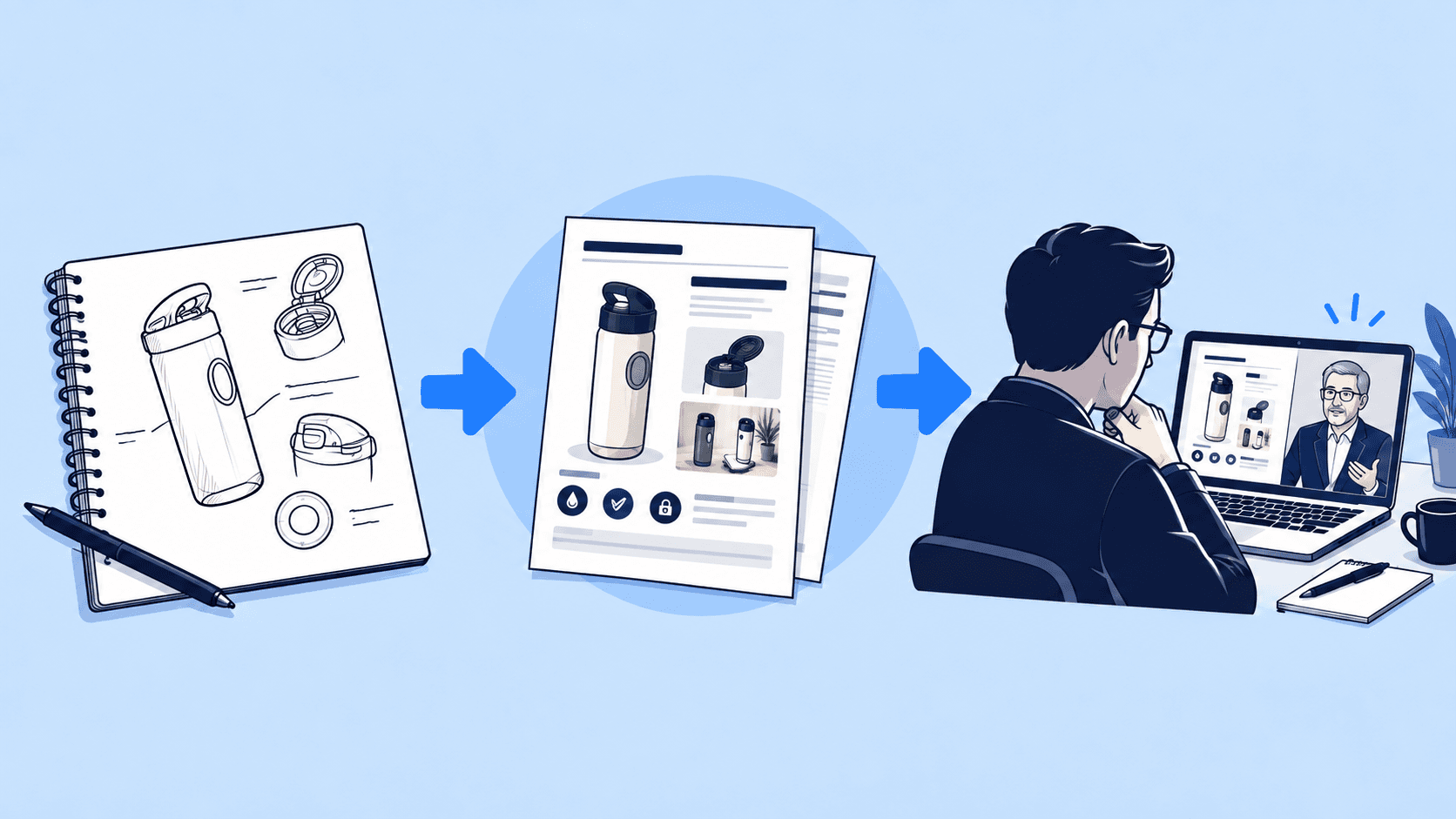
How to Create a Sell Sheet That Gets Companies Interested in Your Product
Learn how to create a product sell sheet for licensing that gets companies interested. Discover what to include, what to leave out, and how strong positioning can help your product stand out.
8 Things Companies Look for Before Licensing a Product
Want to sell an idea to a company? Learn what makes a product license-ready — from a licensing expert who's done it since his 20s.
