Licensing
How to Create a Sell Sheet That Gets Companies Interested in Your Product
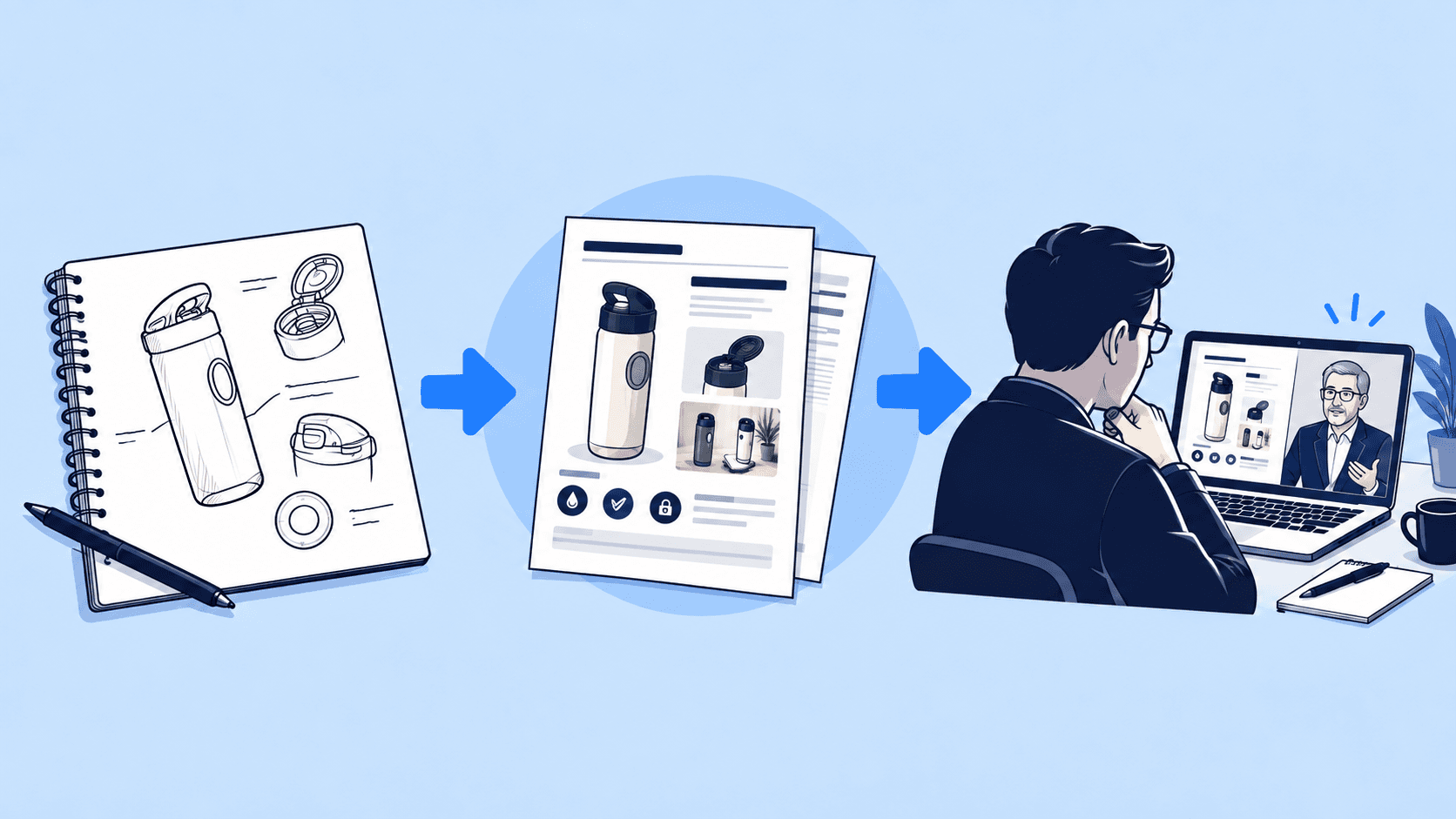
You can create a beautiful sell sheet and still fail to communicate why a company should care about your product.
That's because designing an attractive page and positioning a product for licensing are not the same thing.
A template can show you where to put a headline. A graphic designer can make your sell sheet look polished and professional. AI can help you brainstorm benefits, headlines, and layouts.
The harder part is deciding what a prospective licensee actually needs to see.
Which benefit should lead? What is your product’s strongest point of difference? Which features matter, and which ones are distracting? What questions will a product manager have when they see your product for the first time?
Those decisions require more than good design. They require you to look at your product from the perspective of the companies you are pitching for licensing.
What Is a Sell Sheet?
A sell sheet is a concise, visual marketing document used to introduce a product to a prospective licensee. A strong product sell sheet quickly communicates what the product is, its primary benefit, its point of difference, and why the opportunity may be worth exploring.
For licensing, the goal isn't to tell a company everything there is to know about your product.
It's to give the right person enough information to want to know more.
That's an important distinction, because people are often tempted to put too much information on their sell sheets. When you've spent months or years developing an idea, nearly every detail can feel important.
But the person receiving your sell sheet is seeing the product for the first time.
What Should a Product Sell Sheet Look Like?
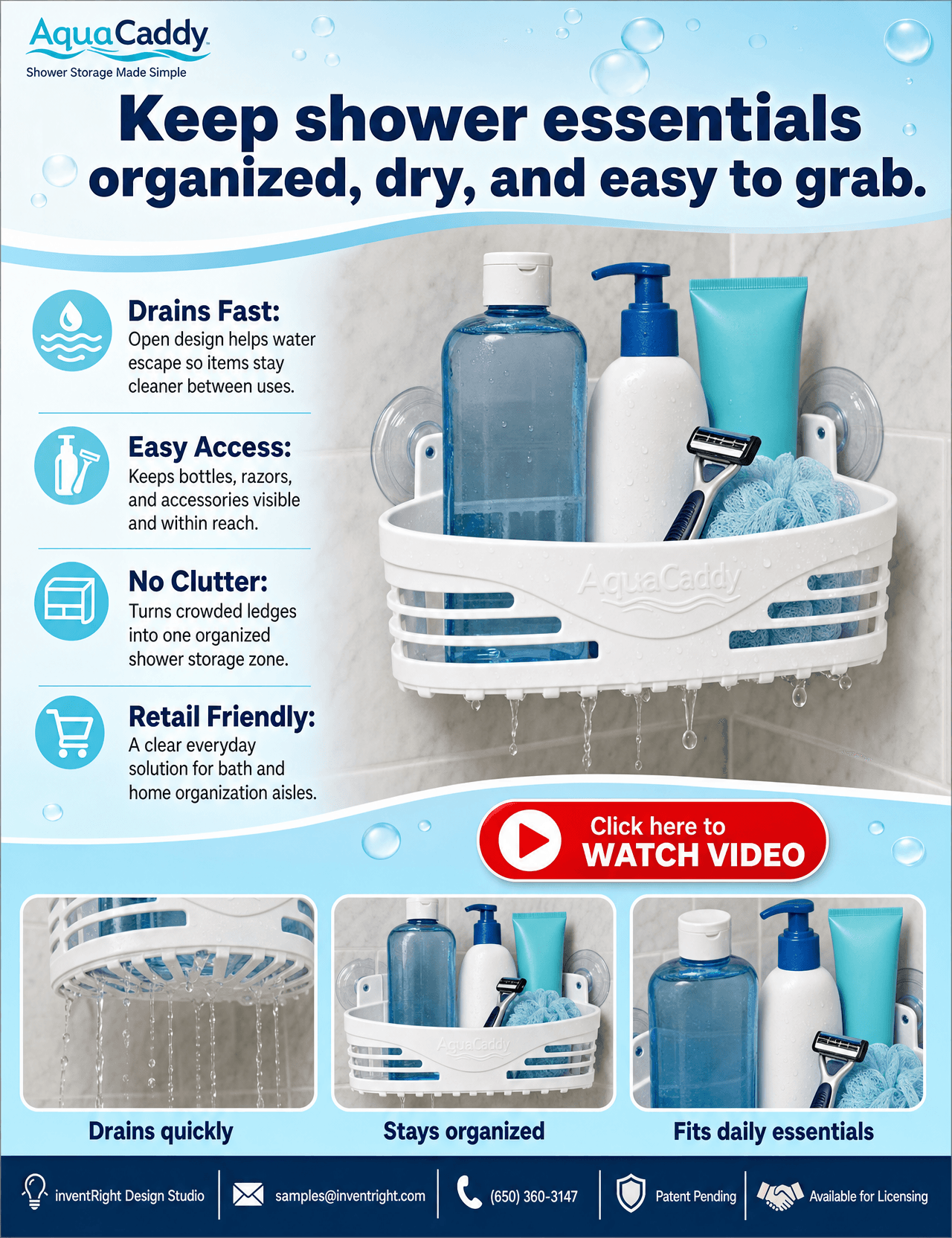
An effective product sell sheet for licensing should be clear, visually appealing, professional, and easy to understand quickly. Typically, it uses strong product imagery, a concise headline or benefit statement, a small number of important benefits or features, and enough information for a company to understand what makes the product different.
Good sell sheet design matters. If the page is confusing, crowded, difficult to read, or visually unappealing, the recipient has to work harder to understand the opportunity.
However, looking professional is only part of the job.
Consider a seemingly simple decision: Which photograph should you use?
This is one way we help our clients create more effective marketing material for licensing.
For example, our client Alan F. described receiving guidance not only on the finished layout, but on the inputs that went into it:
"Paul and the Gateway crew did a great job with my sell sheet. They told me what pictures to take and arranged them well on the sell sheet. Paul also came up with a better name for my product.”
Those decisions — what to call the product, which images to take, what to emphasize, and how to arrange the information — happen before a designer can make the page look good.
That's where sell sheet design starts becoming product positioning.
A Good Sell Sheet Starts a Conversation
One of the biggest misconceptions about creating a sell sheet for licensing is that the page needs to make the entire case for your product.
It doesn't!
A company will have questions you could never answer adequately on a single page. When companies are interested, they ask questions.
So, the goal of your sell sheet is to create the first dialogue.
This is why it’s important to focus on the product's big benefit, rather than trying to lead with every feature or with the product's patent. Once a company understands the opportunity and becomes engaged, the questions begin.
That's why one of our clients, Salem, described an effective sell sheet this way:
“inventRight marketing materials don’t just show an idea. They show a company why they should say yes. A great sell sheet doesn’t explain every feature. It makes a product manager see the product already on their shelf.”
A sell sheet isn't the licensing pitch in its entirety. It's an invitation to continue the conversation.
Inventors and Licensees Look at the Same Product Differently
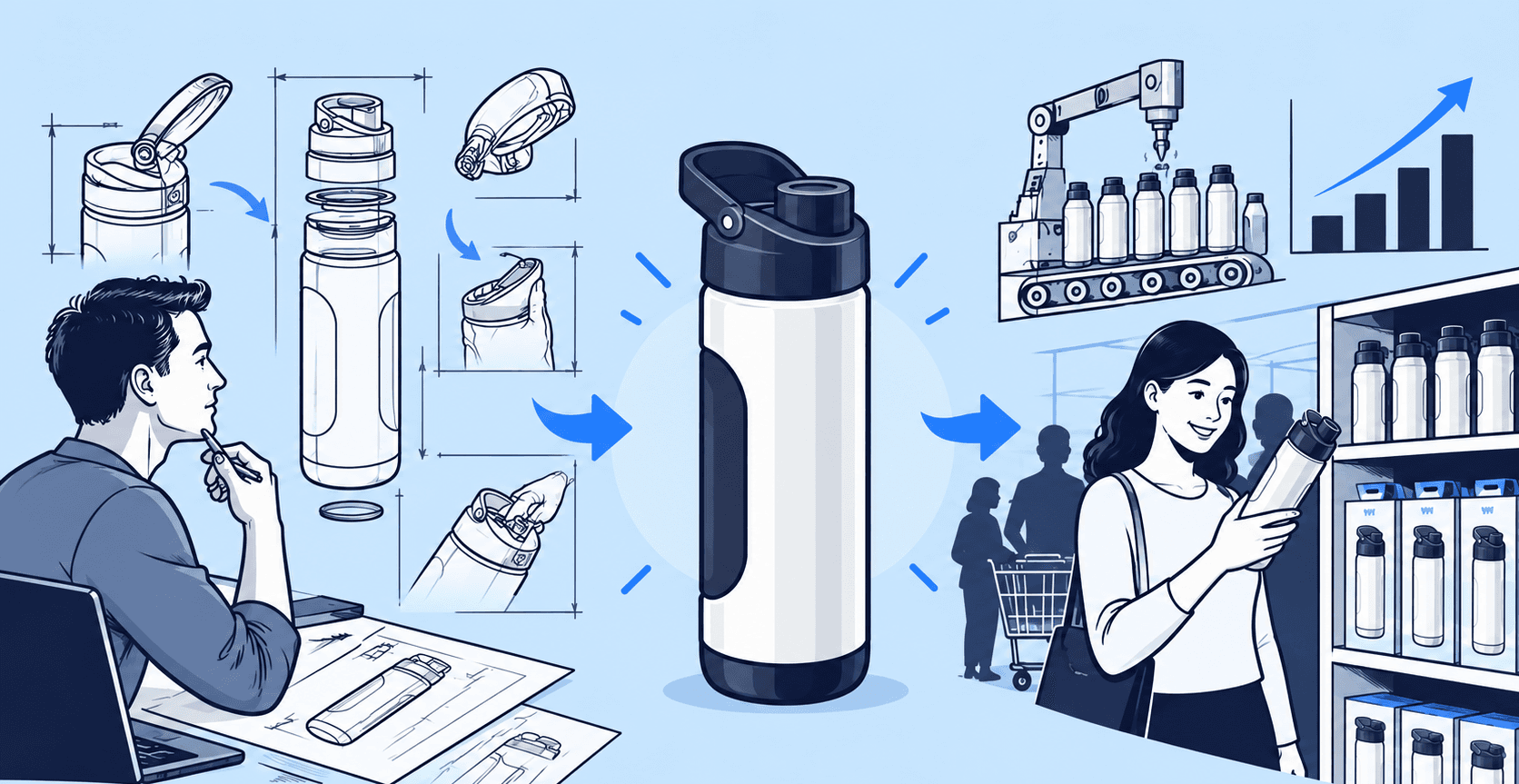
This is where creating an effective licensing sell sheet gets more complicated.
When you create a product, you naturally see it through the experience of creating it.
You may be thinking about how clever the solution is, how the mechanism works, the features you've developed, the intellectual property you've filed, or the market you believe exists for it.
A prospective licensee is looking at the same product from the other side of the table. I discuss this difference in perspective at length with Dana Knowles, who leads inventRight Gateway, in our video on inventRightTV titled “How to Sell an Idea to a Company the Right Way.”
A product manager is more likely to be thinking, Will my customers want this? Will this sell?
Dana knows this difference from personal experience.
When she was developing her own shower caddy, she remembers researching how many shower curtains were sold and imagining what would happen if her product captured even a portion of that market.
Then she experienced what it actually took to bring a seemingly simple fabric product to market.
Her perspective changed.
Companies have to think about manufacturing costs. Shipping. Size. Assembly. Materials. Packaging. Price point. The size of the consumer base. Where the product fits within an existing line.
As Dana put it, she needed to keep her feet on the ground and look at the opportunity from the company's perspective. Experience changes the questions you know to ask.
What Are Companies Looking for in a New Product?
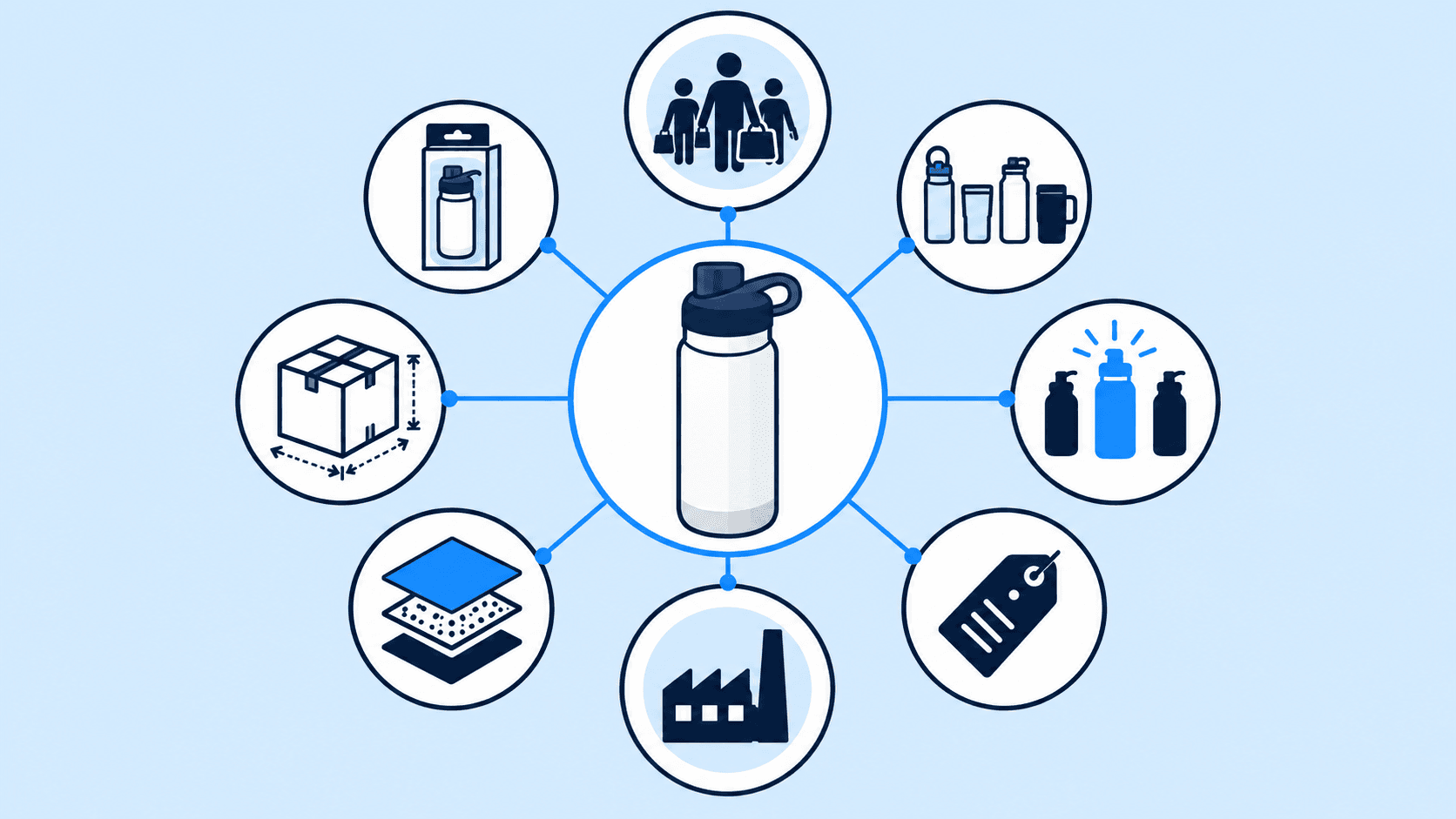
Every company, category, and product is different. When a prospective licensee evaluates a new product, the questions extend far beyond whether the idea itself is interesting.
A company is considering questions such as:
• Will our customers want this?
• Does it fit our existing product line?
• What makes it meaningfully different from products already available?
• Does it fit the price points at which we sell?
• What might it cost to manufacture?
• How difficult will it be to manufacture?
• What materials does it require, and could those materials change?
• How large or heavy will it be to ship?
• Will it require assembly?
• How might it be packaged?
• Is there a sufficiently large consumer base for it?
You don't need to answer every one of these questions on your sell sheet.
You do need to understand that these are the kinds of questions that can be going through someone's mind while they're looking at it.
That perspective should influence what you choose to communicate.
What Should You Put on a Sell Sheet?
There isn't one formula that works for every product, but an effective licensing sell sheet should make the core opportunity easy to grasp.
That usually means identifying the product clearly, communicating its primary benefit, showing it effectively, and explaining its point of difference without overwhelming the reader.
The distinction between features and benefits matters here.
A feature tells someone what the product has or does. A benefit helps them understand why that matters to the customer.
Our client Victor H. specifically noted the value of working through this distinction:
“inventRight Gateway has been very helpful throughout this process, and the sell sheet was one of key materials that I was impressed with. Paul helped me identify the benefits and features of my product through an easy guideline and the results were better than expected."
Your point of difference also deserves careful thought. A company isn't evaluating your product in isolation. It's considering where the product fits alongside what it already sells and what customers can already buy.
Our client Rohan highlighted this aspect of his finished materials:
“The new sell sheet has been professionally put together and conveys the strong point of difference which my product offers well. A great job has been done and to receive a response so early on is testament to this, so I am grateful and appreciative of all the work done so far.”
Notice that the objective isn't simply to make the point of difference present on the page.
It needs to be easy for someone else to understand.
What Should You Leave Off a Sell Sheet?
One of the hardest parts of creating an effective sell sheet is deciding what not to say.
More information is not more persuasive.
Too many features bury the main benefit. Long explanations can make a simple product seem complicated. Technical information may be important later without belonging in the first introduction. Intellectual property can matter without requiring the patent to become the central marketing message.
The question isn't, what could I tell them about my product?
It's: What do they need to understand right now to decide whether they want to continue the conversation?
Our client Jenny D. recognized this problem in her own materials:
“The Gateway team helped me to refine my product description to get to the necessary details to explain my product. In the past, I always wrote too much and they really helped me to refine it. The sell sheet they created told the story of my product exactly how I wanted it. I’m so happy with what they created!!”
Being concise isn't about withholding important information. It's about understanding the job of the first communication.
If a company becomes interested and starts asking technical, manufacturing, intellectual property, or market questions, you've earned the opportunity to provide more.
Why a Sell Sheet Template Can Only Take You So Far
A sell sheet template can be extremely useful.
It can give you a structure. It can remind you that you need strong imagery, a headline, benefits, supporting information, and contact details. It can help you avoid staring at a blank page.
But a template can't tell you what matters most about your product.
A template can show you where to put the headline. It can't tell you what that headline should communicate to a prospective licensee.
It can create space for three benefits. It can't decide which three benefits are most persuasive.
It can tell you where to place an image. It can't determine whether that image makes the product easier or harder to understand.
That's the difference between structure and positioning.
The same is true of many of the tools available today. Design software can improve execution. AI can help brainstorm language and concepts. These tools can make creating marketing materials faster and more accessible than ever.
But tools don't eliminate the need to make good decisions about what you're communicating.
Why Experience Matters When Creating a Sell Sheet
This is the part of sell sheet creation that's difficult to learn from a template.
If you've never presented a product to a prospective licensee before, you can study what a sell sheet should contain. You can look at examples. You can learn about benefits, points of difference, and product imagery.
What you can't instantly acquire is the perspective that comes from repeatedly seeing how companies respond to new products.
That's why one of the most revealing comments we've received from a Gateway client wasn't primarily about the appearance of his sell sheet.
Adam B. told us:
“The Gateway program went above and beyond in the creation of my marketing materials. The design and technical guidance was outstanding, but the greatest value came from hearing feedback that was driven by their experience with real world licensing successes."
That distinction matters.
Professional design is valuable. So is technical guidance. But licensing experience affects the decisions underneath the design: What deserves attention, what doesn't, what a company may question, and how the opportunity can be made easier to evaluate.
Sometimes that means improving materials that already exist.
Manny came to Gateway having already created his own:
“I had already developed my own sell sheet and video, which I thought were fine enough, but the inventRight marketing team guided me to a more polished sell sheet. There were things I didn't consider with my original, so I'm very thankful for pointing them out.”
And sometimes it means introducing another perspective entirely.
Sean O. described how his Gateway manager reviewed his background materials and listened carefully to his perspective before bringing a “customer focused perspective” to the marketing materials. See what other Gateway clients say about their marketing materials here.
That's ultimately what good positioning requires.
You know your product.
The challenge is learning to see it through the eyes of someone who doesn't.
The Right Sell Sheet Still Needs the Right Company
There's one more reason that company perspective matters. Not every good product is a good fit for every company.
A beautifully positioned sell sheet won't change that.
There are many reasons why a company might pass on a perfectly good idea. Perhaps it doesn't fit the company's product line. The price point could be wrong for its customers. The company may have had a poor experience with something similar.
This is why identifying prospective licensees requires more than building a list of companies in the general category.
Company research is a major part of what we do at Gateway. Dana’s team looks at company websites, product lines, price points, materials, distribution, affiliations, and other indicators of fit. They may use AI to help identify possibilities, but they don't simply accept the resulting list; they research the companies individually.
The principle is simple: The right sell sheet sent to the wrong company is still the wrong pitch.
And even the right pitch to the right company may require follow-up. Product managers are busy. Dana explained that responses typically come after multiple attempts rather than the first email, voicemail, or LinkedIn message.
This is where a sell sheet fits into the larger licensing process.
First, position the opportunity. Then, identify appropriate companies. Reach the right people. Follow up. And when a company starts asking questions, be prepared to continue the conversation.
A Sell Sheet Doesn't Need to Tell the Entire Story
If you're creating your first product sell sheet, learning the fundamentals is absolutely worthwhile. Study examples of successful sell sheets to see how different products can be presented. Use a template if it helps. Make the page attractive. Get the hierarchy right. Choose strong images. Edit your copy until the product is easy to understand.
But don't stop at asking, Does my sell sheet look good?
Ask: What will the company seeing this product be thinking?
That question changes what you emphasize, what you leave out, and how you communicate the opportunity.
A sell sheet doesn't need to tell the entire story. It has to make the right company want to hear more.
inventRight Gateway was created for product developers who want an experienced licensing team to help position their product, identify appropriate companies, reach decision-makers, manage follow-up, and help navigate the conversations that result.
If you believe your product is ready for licensing, submit your product to Gateway.
More from Innovate This
8 Things Companies Look for Before Licensing a Product
Want to sell an idea to a company? Learn what makes a product license-ready — from a licensing expert who's done it since his 20s.

We Asked Companies What Products They Want. Here's What They Told Us.
Find out what companies are looking for in new products to license and how inventors can use real company feedback to improve their licensing strategy.
