Prototyping
Why Is Prototyping Important? 9 Powerful Benefits Of Prototypes
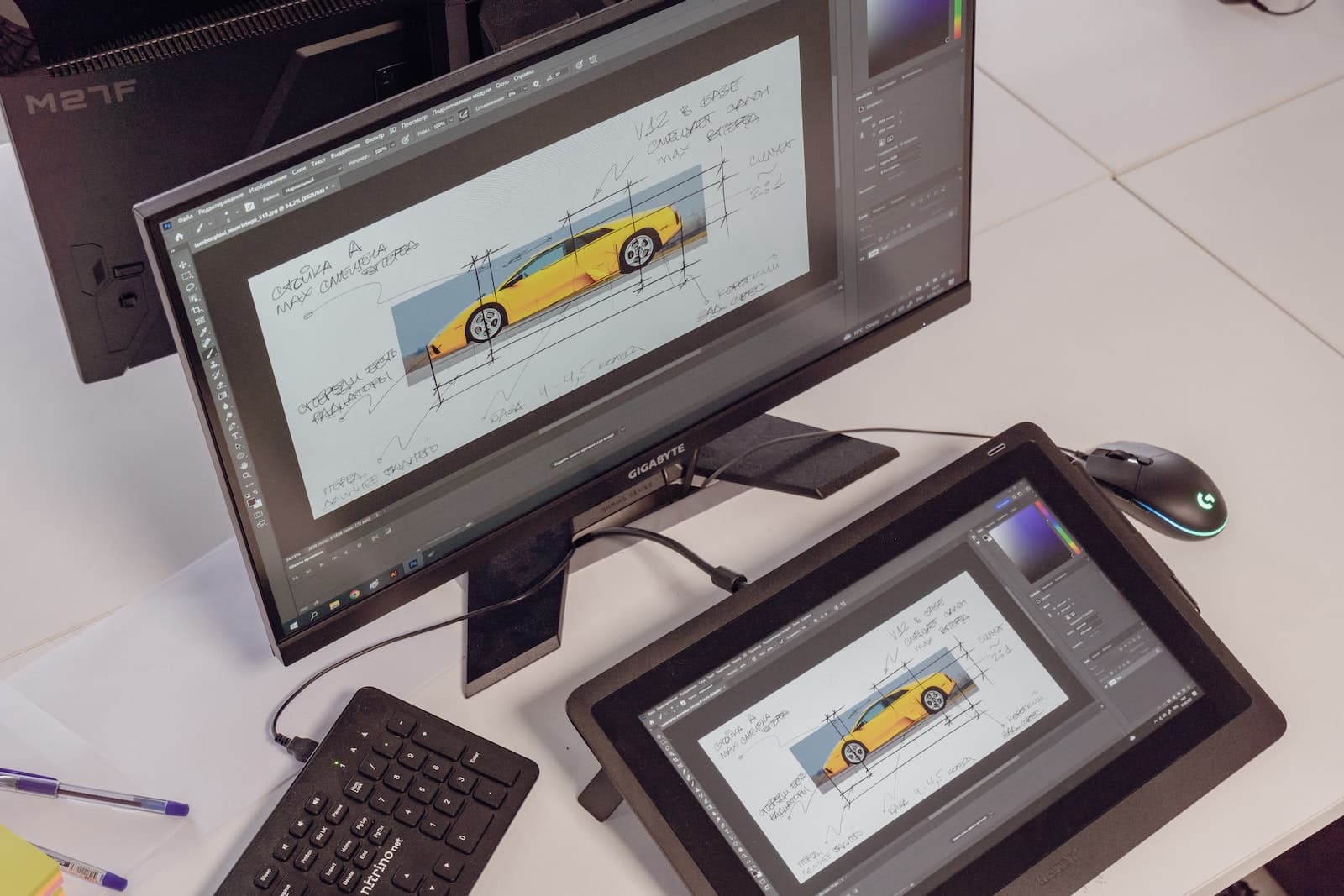
Prototyping is the process of turning an idea into something tangible—something you can review, refine, test, and share with others. Why is prototyping important for inventors? Fundamentally, prototyping helps you bring your ideas to life. In this article, I list the many ways you can use prototypes to help you sell your ideas. The question is never whether you need a prototype; it's what kind, and when.
First, please understand that there are many different types of prototypes. Do you need a prototype to license an idea? Not necessarily. It all depends on the idea and the industry. Some industries require a works-like prototype (which demonstrates proof-of-concept) to consider licensing an idea; others do not. Because there are many different kinds of prototypes, it is always worth asking, "What type of prototype do you need?"
If your goal is to license your ideas and make money, it doesn't make sense to prototype every idea that you have.
With that being said, most of us enjoy the prototyping process. Whether you are making a physical prototype or a virtual prototype, transforming an idea in your head into something you can see and that looks real is exciting!
Reasons Why Prototyping Is Important
#1: Proof Of Concept
Building a prototype can help you determine if your product idea actually works the way you intend it to.
By building a prototype, you can determine if you have designed the best and most efficient way for your idea to work.
In essence, you’re going to determine what works and what doesn’t work by building a prototype.
In my experience, you’ll end up building multiple prototypes to discover the best solution to the problem you’re trying to solve.
Needless to say, knowing that your product idea works and that it truly solves the problem will be helpful later.
#2: Better Patent Applications
Building a prototype can help you determine what’s truly important to include in your patent application when you file. Remember how prototyping helps you learn what works and what doesn't work?
Knowing the most efficient version of your invention is extremely significant when filing intellectual property because that information prevents others from easily working around you. Prototyping will help you discover which materials work the best, for example. A significant way of strengthening your patent application is by including workarounds, and building prototypes help you find workarounds.
Including variations that you have learned from building said prototypes can keep others from trying to work around your invention.
#3: Manufacturing
Building a prototype can help you determine the best method of manufacturing your product idea.
Your prototypes can help your manufacturer fully understand all the components of your product idea and what needs to be accomplished.
Having a prototype that functions can help them determine the best way of manufacturing your product idea.
Having a works-like prototype is priceless when manufacturing is the next step.
#4: Raising Money
Nothing tells your story better than a working prototype when pitching your product idea to investors.
Having something they can actually touch, see, and use helps take away risk and makes them less fearful. You can see the look on their faces when they use your prototype!
It can answer questions they might have.
#5: Licensing
Showing how your product works takes away the risk for potential licensees.
It gives them confidence to move forward.
Proof of concept can be very powerful when pitching an idea to an open innovation company.
A works-like prototype gives them the ability to test it out, see how others react, and is also a great storytelling device.
#6: Retailers
Showing your prototype to a retailer to get their first reaction can be extremely helpful in terms of what you need to change.
Maybe it’s too big, too heavy, or needs to function a little bit differently.
Getting feedback from a buyer can be extremely helpful before you go into manufacturing.
#7: Cost
Having a prototype along with CAD drawings can be helpful when trying to obtain a price quote for manufacturing.
At this point, if it’s going to be too expensive, you can make changes.
#8: Copycats
If your product is popular, the copycats won't be far behind. Prototyping helps you outthink and outsmart them by coming up with different versions and variations. Discovering all the different ways your product idea could be built allows you to protect those variations and workarounds in your patent application.
#9: Improvements
By building prototypes, you can uncover improvements that need to be made. And, of course, with those improvements, you can file intellectual property to extend the life of your invention.

About the contributor
Stephen KeyStephen Key is an award-winning inventor, renowned intellectual property strategist, lifelong entrepreneur, author, speaker, and columnist. Stephen has over 20 patents in his name and the dozens of concepts he has brought to market have retailed in Walmart, 7-Eleven, and Disney stores and parks worldwide and been endorsed by Michael Jordan, Alex Trebek, and Taylor Swift. He has defended his patents in federal court against the largest toy company in the world, Lego’s. In 1999, he cofounded inventRight to teach others his unique process for harnessing the power of open innovation and the licensing business model. His bestselling book about how to license an idea, One Simple Idea by McGraw-Hill, has been translated into six languages. He has written more than 1,000 articles about intellectual property strategy, product licensing, and entrepreneurship for publications online including Forbes, Inc., and Entrepreneur. Universities and governmental organizations around the world regularly invite him to teach them inventRight’s unique processes for commercializing new product ideas. Stephen has won over 20 industry awards, including two Edison Awards and the Most Influential and Inspiring Leader Of All Time by the WorldIP Forum in 2022. In 2018, he was recognized as a AAAS-Lemelson Invention Ambassador. In 2020, he became a founding member of the United States Intellectual Property Alliance. In 2022, Stephen contributed to “Cases in IP Strategy: Industry Lessons Learned” from the non-profit Michelson Institute for IP. Currently, he’s part of the team responsible for launching a new sustainable packaging innovation that replaces the need to use plastic to carry beverages called Fishbone.
More from Innovate This
8 Things Companies Look for Before Licensing a Product
Want to sell an idea to a company? Learn what makes a product license-ready — from a licensing expert who's done it since his 20s.
We Asked Companies What Products They Want. Here's What They Told Us.
Find out what companies are looking for in new products to license and how inventors can use real company feedback to improve their licensing strategy.
