Prototyping
Hiring Someone To Build A Prototype? Read This First
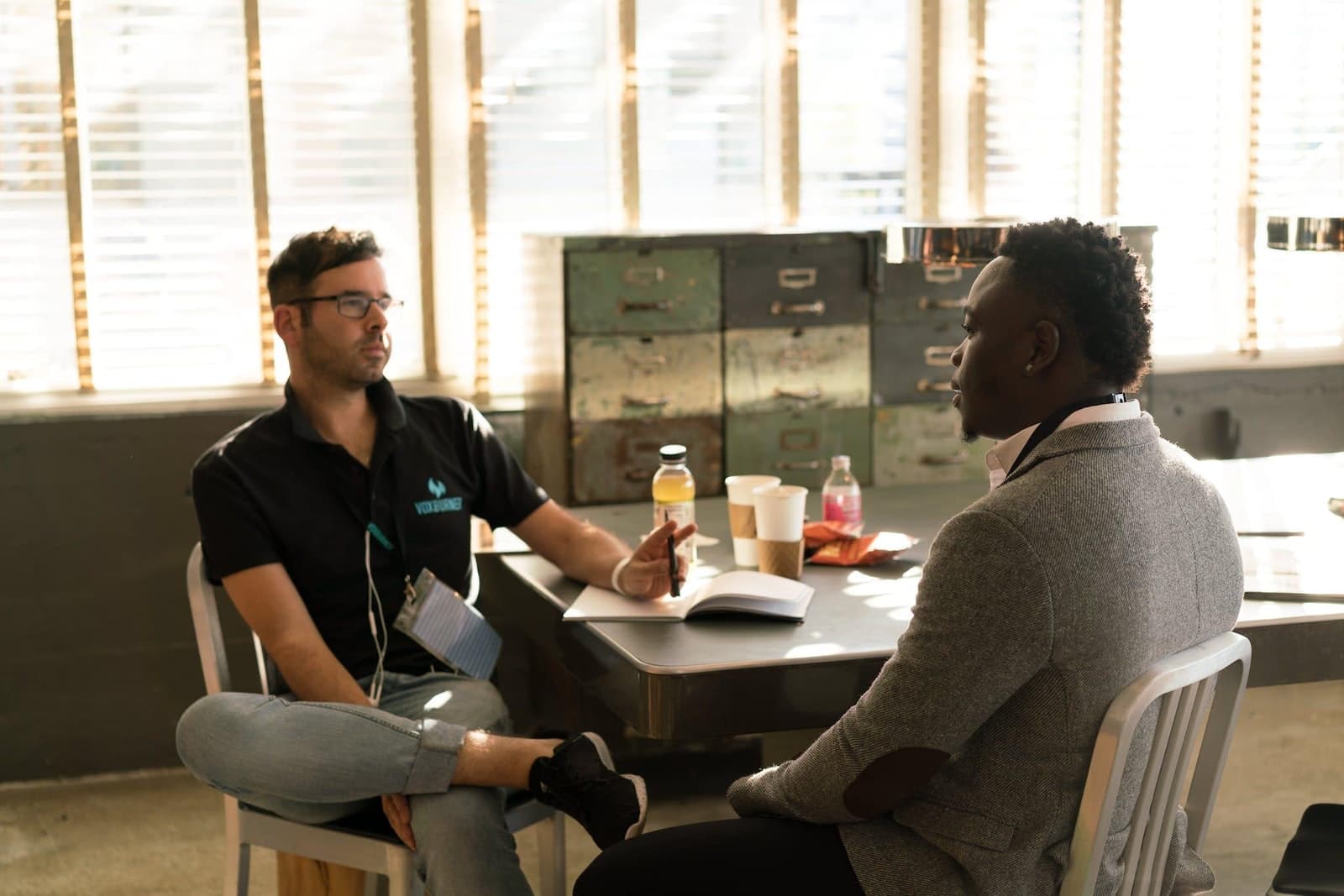
Prototyping is an important part of the product development process. Are you struggling to build a prototype of your idea? You're not alone. Many of us struggle with building prototypes of our product ideas, especially when they are complex. Some types of prototypes require a certain amount of expertise.
If you decide that you need to hire someone to make your prototype, here are a few things to consider before you get underway.
What Type Of Prototype Do You Need?
There are many types of prototypes. So, you’ll need to determine which kind of prototype is right for your needs. Do you require a look-alike prototype that shows how the product will look? How professional does it need to look? Is it going to be used in a photoshoot? Or does the prototype actually need to function as intended? Does it need to be strong and durable enough to stand up to testing? It’s very important to determine which type of prototype you require, as well as how many. Prototypes can be extremely expensive!
Early in my career, I was responsible for creating the prototype that was going to be used to shoot a commercial with the television host Alex Trebek. This prototype needed to look real, and it needed to function, to put it mildly! On the other hand, it didn’t need to be tested. It would only be used two or three times. Basically, the prototype needed to have great graphics and be durable enough to survive the shoot. I also needed to make more than one in case something went wrong.
How Do You Want Your Prototype To Look?
Many of us aren’t sure what our product should actually look like, meaning we might need to bring in an industrial designer to show us options. Seeing one of your product ideas come to life is always an amazing experience. Having an industrial designer create renderings of variations of your product can be extremely important! It can also become time-consuming and expensive. Your rendering will become the roadmap for your CAD drawing, then your prototype.
What Skillset Is Needed To Make The Prototype?
Make sure whomever is going to build your prototype has the skill set to execute your vision. Also, make sure they know what is required for them to build your prototype. Many will require CAD drawings. Always look at their work and determine if they have the skills and materials to build your particular prototype first. Don't make assumptions.
Also, if your prototype needs to be designed for future manufacturing, make sure the person you hire has this type of experience and knows the components and the tooling required. Building a pretty prototype is very different from building a prototype that uses components and knowledge for future production.
How Long Will The Prototyping Process Take?
Make sure you know how long it will take to get the first iteration of your prototype. Please understand that it probably will not be perfect and there will be changes. Understand how long it’s going to take and what those changes are going to cost. Getting a total picture of the process is important for budgeting and setting your goals.
How Many Prototypes Do You Need?
Determine how many prototypes you will need. Are prototypes required to sell samples? Will you be sending prototypes to contract manufacturers for quotes? Will you be sending prototypes to potential licensees or investors? How durable are your prototype samples? How many times can you use the prototype before it breaks, if you’re going to test it?
The first prototype is always the most expensive, so I always get a price quote on multiple samples.
Have You Asked Your Fellow Inventors For Prototyping Referrals?
The best way to get referrals, in my experience, is from other people you work with and know. If you can, look at the prototype of their idea and then at the real production model. How close was the prototype? Working with someone who has experience in manufacturing is a big plus.
The process of building a prototype takes time and money. This is why I always determine how many prototypes I’m going to need and why I need them first.
I recommend asking whomever you hire if there are any ways to save money. Ask them about the best practices and any suggestions at the very beginning of your project. It’s very important to get the total cost and the lead times.
Looking for an affordable prototype that you can use to test the market for your idea? Check out virtual prototypes made by inventRight's Design Studio.

About the contributor
Stephen KeyStephen Key is an award-winning inventor, renowned intellectual property strategist, lifelong entrepreneur, author, speaker, and columnist. Stephen has over 20 patents in his name and the dozens of concepts he has brought to market have retailed in Walmart, 7-Eleven, and Disney stores and parks worldwide and been endorsed by Michael Jordan, Alex Trebek, and Taylor Swift. He has defended his patents in federal court against the largest toy company in the world, Lego’s. In 1999, he cofounded inventRight to teach others his unique process for harnessing the power of open innovation and the licensing business model. His bestselling book about how to license an idea, One Simple Idea by McGraw-Hill, has been translated into six languages. He has written more than 1,000 articles about intellectual property strategy, product licensing, and entrepreneurship for publications online including Forbes, Inc., and Entrepreneur. Universities and governmental organizations around the world regularly invite him to teach them inventRight’s unique processes for commercializing new product ideas. Stephen has won over 20 industry awards, including two Edison Awards and the Most Influential and Inspiring Leader Of All Time by the WorldIP Forum in 2022. In 2018, he was recognized as a AAAS-Lemelson Invention Ambassador. In 2020, he became a founding member of the United States Intellectual Property Alliance. In 2022, Stephen contributed to “Cases in IP Strategy: Industry Lessons Learned” from the non-profit Michelson Institute for IP. Currently, he’s part of the team responsible for launching a new sustainable packaging innovation that replaces the need to use plastic to carry beverages called Fishbone.
More from Innovate This
8 Things Companies Look for Before Licensing a Product
Want to sell an idea to a company? Learn what makes a product license-ready — from a licensing expert who's done it since his 20s.
We Asked Companies What Products They Want. Here's What They Told Us.
Find out what companies are looking for in new products to license and how inventors can use real company feedback to improve their licensing strategy.
