Licensing
Top 4 Reasons Why Companies Won't License Your Product

Companies need new ideas, and you've got a great one. You've even got a prototype, marketing materials, and maybe even a patent or a provisional patent application. But for some reason, you're not finding the right companies to license your product. You're reaching out on LinkedIn, calling their numbers, or even talking to someone directly, but things aren't going as planned. You’re not getting closer to a licensing agreement, and you don't know why.
Sometimes, a company shows interest in your product, and you think you've got them hooked, but it still doesn't lead to a licensing deal. It's frustrating, and you might be wondering what you're doing wrong. There could be many reasons why things aren't working out. Something is holding you back, stopping these companies from working with you.
In this article, we'll explain the main reasons why companies might not want to license your product, so you can avoid making these mistakes.
Reasons Companies Won’t License Your Product
Lack of Experience
One common reason companies might not license your product is your lack of experience in the industry. They may notice that you're new to this and ask a lot of questions, which makes them hesitant to introduce you to their team. The person you've contacted might worry that your unfamiliarity could lead to a less-than-ideal partnership.
Asking Out of Sequence

Another reason is asking for too much too soon. It's like proposing marriage on the first date. Companies need time to get to know your product before committing to a partnership. Asking for major commitments right off the bat can scare them off and make them hesitant to move forward.
Being Difficult to Work With
Number three, they realize you're not going to be easy to work with. You're asking for too much. You're taking too much time. You're asking for too many details. You're worried about too many things. They see that you don't really understand licensing, and you're making it all about you instead of them. Because of this, they decide they don't want to license your product.
Being Seen as Risky

One big reason companies might not license your product is that they see you as a risk. It's tough to hear, but it's important to understand the people you're reaching out to. You need to find a champion within the company—someone who wants to help you and bring your idea to life. However, if this champion senses a problem, they may hesitate. They don’t want to be blamed if something goes wrong. If you've done something that raises a red flag, the conversation might stop right there.
This hesitation can happen for several reasons. They might sense that you're new to this process, that your idea carries too much risk, or that you won't be an asset to the team. They might feel you're not the right person to work with on this product.
Summing It Up
To put it simply, if you're focused solely on your enthusiasm and your great idea without considering what the company needs, you might be missing the mark. Companies look for more than just a good product; they want to work with someone who understands their needs and can fit into their processes smoothly. You might be approaching them in the wrong order, or sending messages that don't resonate with their priorities.
These missteps can raise red flags for companies, signaling that you might not be the right partner for them, regardless of how promising your product idea is. It's essential to remember that companies are evaluating you as much as your idea. The main mistake you might be making is not having the experience they're looking for when working on a new project because there's a lot of risk involved.
Once again, I want to talk about our new program called Gateway. We have a database of companies that know who we are at inventRight and want to see great ideas from us.
What we do with Gateway is vet ideas to make sure they're the right fit and reach the right people. We save these companies time and money by sending them good ideas. Gateway ensures your product is positioned, marketed, and protected the right way so companies can say yes and feel comfortable working with you. We handle all the work behind the scenes to make it easy for them and you.
Please note we don't take everyone. We're looking for unique products. You have to fill out an application, and we do a review process. We want to make sure we can provide the service you're looking for, but we also want to make sure we're sending companies good ideas they can rely on. This way, we save them time and money while showing them great ideas from people like you.

About the contributor
Stephen KeyStephen Key is an award-winning inventor, renowned intellectual property strategist, lifelong entrepreneur, author, speaker, and columnist. Stephen has over 20 patents in his name and the dozens of concepts he has brought to market have retailed in Walmart, 7-Eleven, and Disney stores and parks worldwide and been endorsed by Michael Jordan, Alex Trebek, and Taylor Swift. He has defended his patents in federal court against the largest toy company in the world, Lego’s. In 1999, he cofounded inventRight to teach others his unique process for harnessing the power of open innovation and the licensing business model. His bestselling book about how to license an idea, One Simple Idea by McGraw-Hill, has been translated into six languages. He has written more than 1,000 articles about intellectual property strategy, product licensing, and entrepreneurship for publications online including Forbes, Inc., and Entrepreneur. Universities and governmental organizations around the world regularly invite him to teach them inventRight’s unique processes for commercializing new product ideas. Stephen has won over 20 industry awards, including two Edison Awards and the Most Influential and Inspiring Leader Of All Time by the WorldIP Forum in 2022. In 2018, he was recognized as a AAAS-Lemelson Invention Ambassador. In 2020, he became a founding member of the United States Intellectual Property Alliance. In 2022, Stephen contributed to “Cases in IP Strategy: Industry Lessons Learned” from the non-profit Michelson Institute for IP. Currently, he’s part of the team responsible for launching a new sustainable packaging innovation that replaces the need to use plastic to carry beverages called Fishbone.
More from Innovate This
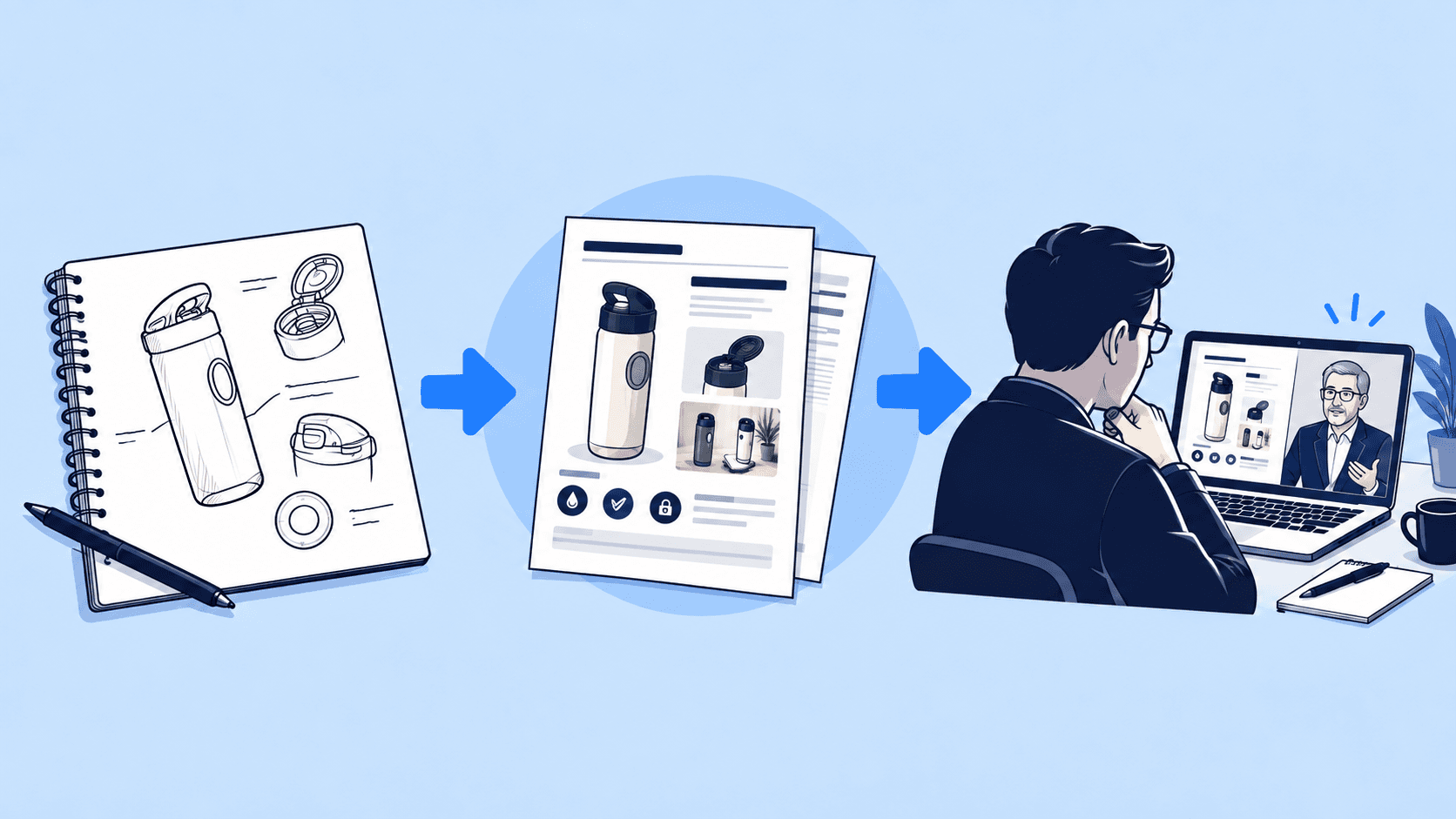
How to Create a Sell Sheet That Gets Companies Interested in Your Product
Learn how to create a product sell sheet for licensing that gets companies interested. Discover what to include, what to leave out, and how strong positioning can help your product stand out.
8 Things Companies Look for Before Licensing a Product
Want to sell an idea to a company? Learn what makes a product license-ready — from a licensing expert who's done it since his 20s.
