Inventing
Solopreneurs, Is Your Product Secretly Stalling? The 3 Walls of Scale

There's a moment every successful product entrepreneur dreads.
You've built something real. Customers love it. Sales are coming in. You're shipping product, answering emails, running social media, managing inventory—all of it.
And then you realize: This doesn't scale.
Not because your product failed. Because it succeeded—and success requires things you can't do alone.
The Solopreneur Reality Check
John Chadwell makes hand-crafted fire pits that don't scar the ground. Beautiful design. Real sales. He calls himself a "solopreneur"—and he's hitting the wall:
"Me being the solopreneur on this thing, I can carry it as far as I've carried it. It's certainly my baby and I'm proud of it, but at the same time, I think they can make it better."
He went through 16 design iterations. 55 versions of the packaging. Won a $25,000 entrepreneur competition. Did everything right.
But there's a ceiling:
"My manufacturing is local in San Antonio and small, my cost is high proportionate to what it could be. So finding the right licensee to do something like this I think would be able to run with this."
Watch John's full story on inventRightTV.
John knows the math. Small-scale manufacturing keeps his costs too high for major retail. He can't compete on price without volume he can't achieve alone.
The 3 AM Problem
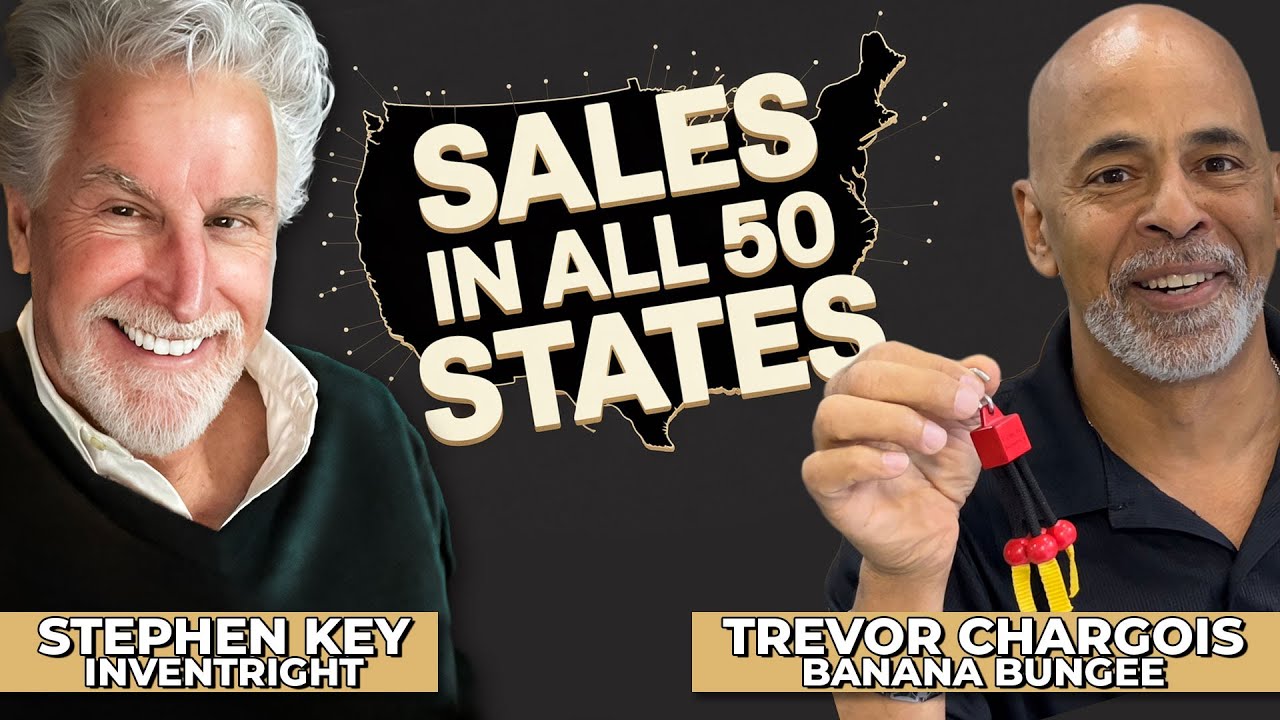
Trevor Chargois invented the Banana Bungee—a simple product that extends how long bananas stay fresh. Year-over-year, he had 100% growth. Sales across every state. Organic marketing only.
Then the copycats came.
"I woke up to, I wouldn't say it was just an overnight thing, but we were going very well... then our numbers started tanking, started going down, and it was like, what did I do?"
What he found was brutal:
"A copycat entered the market and they entered at a time when Temu was trying to penetrate the US market... There was a listing that came in, and they came in and just decimated my sales."
Fighting knockoffs is now his full-time job:
"Even this morning, Steven, even this morning, I wake up, I do a keyword search on Banana Hook, and I'm seeing my product, but not my listing."
Hear more about Trevor's battle with copycats on inventRightTV.
He has patents. He has brand protection on Amazon and Walmart. It doesn't stop them from other platforms. Keeping copycats out of the marketplace has become a second business he never wanted to run.
The Funding Cliff
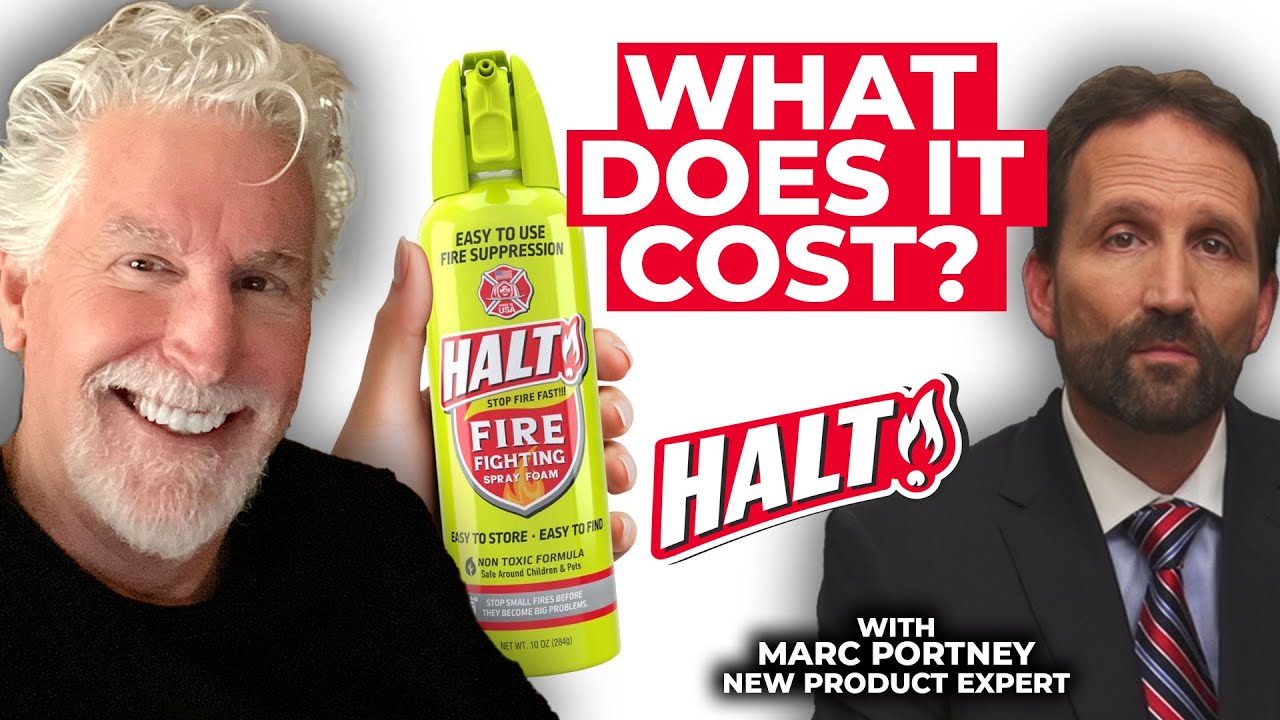
Marc Portney has launched hundreds of products. He's the real deal—a venture capitalist who's been doing this for 35 years.
When asked what the most common mistake is for entrepreneurs trying to scale:
"I think being underfunded would be my first answer... It's like what they say about building a house or renovation. You should add another 33% to it... If you think you need a hundred dollars, you really probably need 150."
Can you launch with $20,000?
"No, I don't think so... It's a big undertaking."
For his fire suppression product, he's running a full team with manufacturing, marketing, retail relationships, and Amazon. The investment required for that level of play is substantial.
The entrepreneurs who think they can "just fund it as you go from the sales"?
"Unless you're well-funded at the beginning and you do the amount of homework and research that it takes, you're going to be surprised."
The Relationship Gap
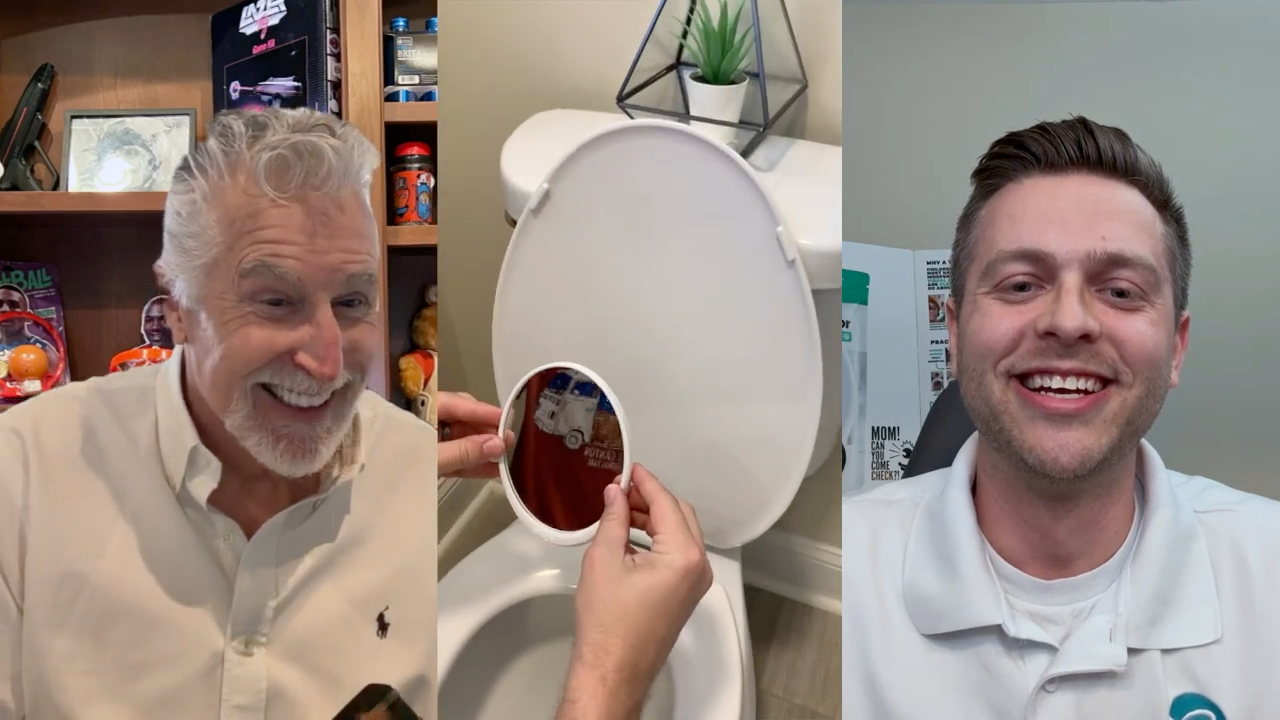
Chris Ehde invented the Toilet Mirror—a simple solution that helps kids (and adults) with bathroom independence. He went viral with 112 million views. Phones overheating for weeks. Selling to 20 countries.
But retail? Different game.
"We realized that the retail game, it's a long game. It's not something that just happens overnight. It's about building relationships and we don't have those relationships."
He tried hiring a company to help:
"We couldn't continue to throw money into that when we were still such a fledgling company."
So he pulled back to organic growth. Smart survival strategy. But it means leaving opportunity on the table—opportunity that someone with existing retail relationships could capture immediately.
Watch Chris's viral success story on inventRightTV.
The Marketing Money Pit
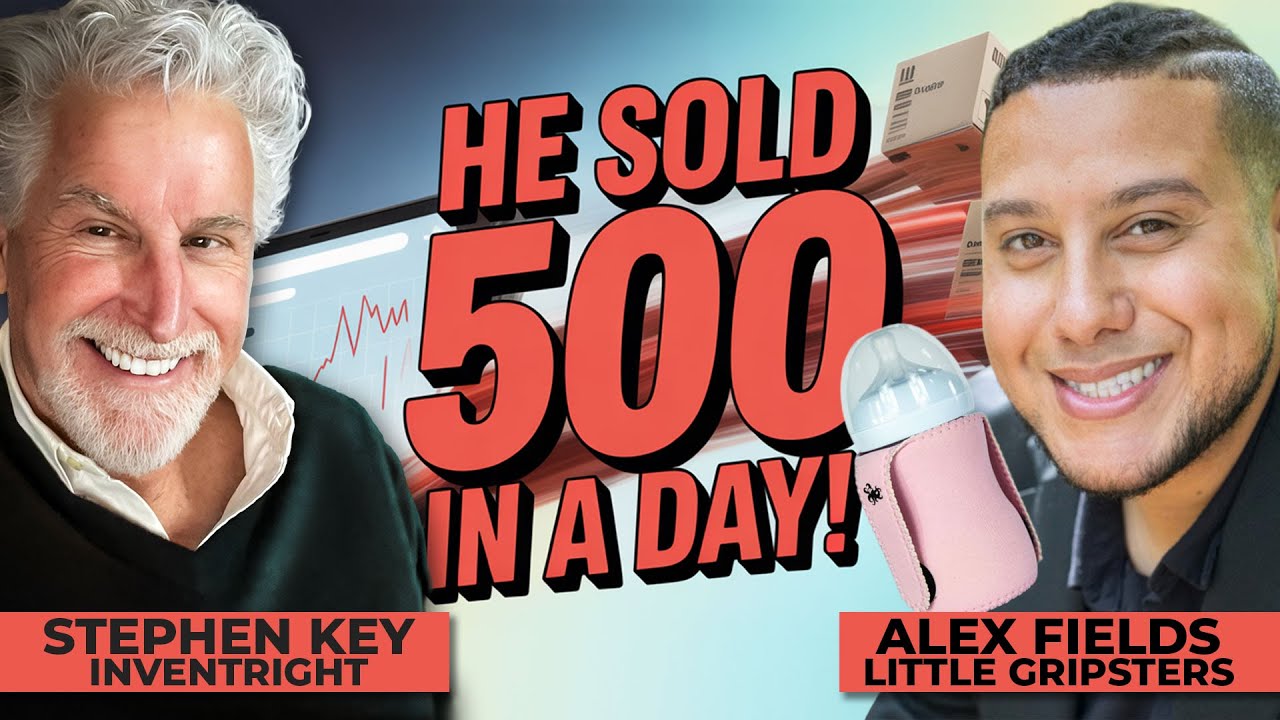
Alex Fields created Little Grips, a baby bottle sleeve that helps with fine motor skills. He's got the product. He's got the story. He's building the brand.
But building awareness never stops:
"Every day. Every day it doesn't stop."
He has a content team—Emily, Audrey, Grace. They do video shoots with babies. They post constantly across Facebook, Instagram, Pinterest, TikTok. They work with influencers.
His budget so far? At least $70,000 into patents, design, and marketing.
And the TikTok shop alone required hiring a specialized team:
"I hired a team called Build Commerce in Utah. They're awesome. They have been running my backend of TikTok and the affiliates."
This is what it takes to compete. Not a side hustle. A full operation.
See Alex's content strategy in action on inventRightTV.
The Volume Trap
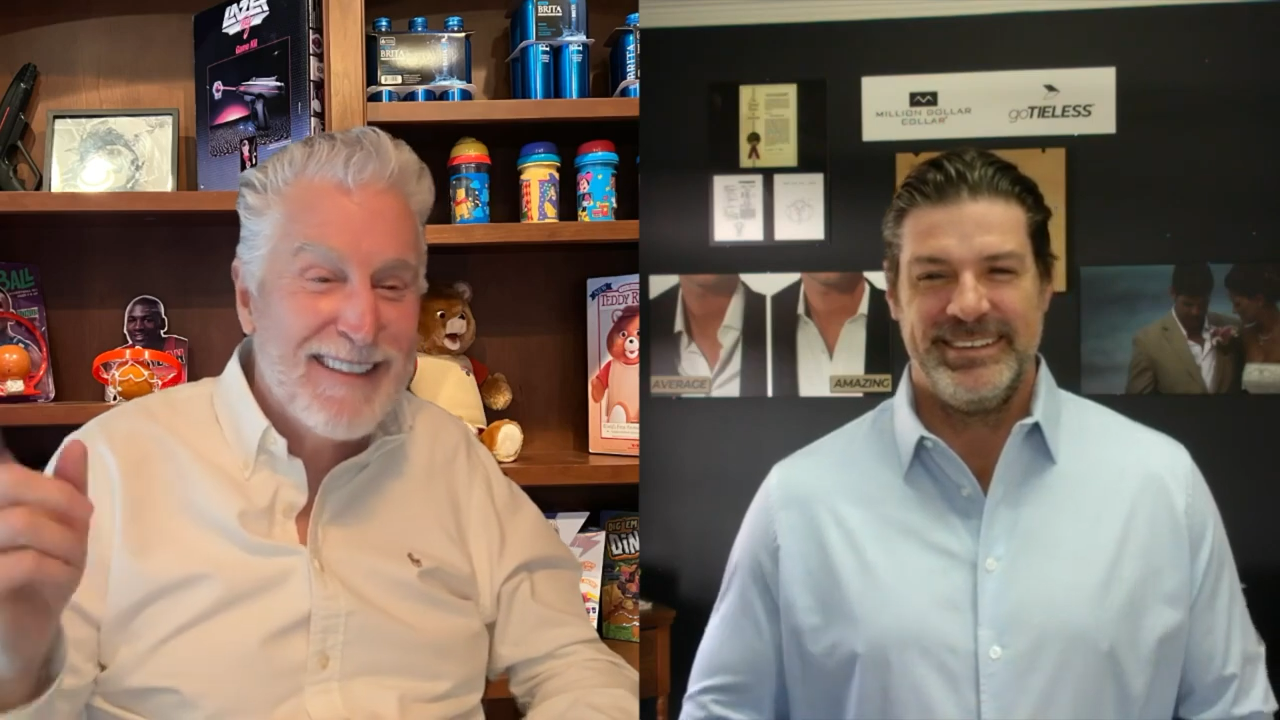
Rob Kessler invented Million Dollar Collar—a solution for dress shirts that keeps them looking sharp without a tie. He's got utility and design patents. Made in America.
But here's the challenge:
"We’ve been trying to launch this and license it to other brands and they keep coming up with every single excuse why not to take it. So I said screw it, I'm going to make my own shirt and prove that people want the technology."
He proved it. Nearly 15,000 shirts sold. Three years of sales.
But proving the concept and scaling the concept are different problems:
"I tried making the shirts in LA and they cost an astronomical amount of money and they were not very good. Then I tried Turkey and they were still too expensive, so I had to go to China."
Even with overseas manufacturing, the solopreneur ceiling remains. He went back and grabbed a job for the last couple of years—just to have money to reinvest every dollar into the business.
What keeps him up at night?
"Money. Trying to pay the bills, make sure that it's going down the right path."
Learn about Rob's manufacturing journey on inventRightTV.
The Expert's Advice
Marc Portney, with his 35 years of product launches, offers this perspective on going it alone:
"The more work you put in upfront is the better off you're going to be along the road. You're going to try to take as many bumps out of the road as humanly possible when you first start out, and that all comes with homework. If you think you're going to phone it in, guess again."
And on finding help:
"What do they call an expert? Somebody that's done it once before."
His analogy is perfect: building IKEA furniture. The first chair takes forever with the instructions. By the third chair, you're not even looking at them.
"That's how the experience factor takes you through smoother and smoother and quicker and better."
Learn more from Marc's decades of experience on inventRightTV.
The Three Walls of Scale
Every solopreneur hitting the ceiling faces some combination of these:
Wall #1: Manufacturing Costs
Small volumes mean high per-unit costs. High costs mean thin margins. Thin margins mean no money for growth. It's a trap.
John Chadwell: "My cost is high proportionate to what it could be."
Wall #2: Copycats as Full-Time Job
Success attracts imitators. Fighting them requires lawyers, constant monitoring, and platform-by-platform enforcement. It never ends.
Trevor Chargois: "Even this morning, I wake up, I do a keyword search... and I'm seeing my product, but not my listing."
Wall #3: Capital for Distribution
Major retail requires inventory investment, marketing support, and relationships you don't have. Every growth opportunity requires cash before returns.
Marc Portney: "If you think you're just going to fund it as you go from the sales... you're going to be surprised."
These challenges are why many solopreneurs eventually consider licensing their product to a company that already has the resources to scale.
What Scaling Actually Requires
Let's be honest about what it takes to break through:
- Manufacturing scale: Volume commitments that justify tooling and unlock wholesale pricing
- Distribution relationships: Retail buyers who take your calls and believe in your track record
- Capital reserves: Inventory investment before you see returns
- Marketing firepower: Daily content, platform-specific strategies, influencer relationships
- Legal resources: Ongoing copycat enforcement across multiple platforms
As a solopreneur, you can manage one or two of these. All five? That requires a different model.
The Model Rethink
John Chadwell sees it clearly:
"Finding the right licensee to do something like this I think would be able to run with this… I think they can make it better."
He's not admitting defeat. He's recognizing that different stages of business require different resources.
What got you here—scrappiness, hustle, doing everything yourself—won't get you there. And "there" might require resources that no solopreneur can assemble alone.
Understanding the difference between selling and licensing products can help you determine if it's time to rethink your model.
The Real Question
You've built something valuable. You've proven the concept. Customers love the product.
Now you're facing the walls: manufacturing costs too high, copycats everywhere, never enough capital, relationships you don't have.
The question isn't whether you're working hard enough. The question is whether your current model can take your product where it deserves to go.
Your options:
- Keep grinding alone. Work more hours. Find more capital. Fight the copycats. Hope the math eventually works.
- Raise money. Take on investors who want equity and control. Dilute your ownership.
- Partner strategically. License your validated product to a company that already has manufacturing scale, distribution relationships, and resources to fight the fights you can't afford.
Each path has tradeoffs. But staying stuck at the solopreneur ceiling isn't a strategy—it's a slow drain on everything you've built.
What You've Already Built Has Value
Here's what most solopreneurs underestimate: your validation matters.
Chris Ehde went viral. John Chadwell won $25,000 in an entrepreneur competition. Trevor Chargois achieved 100% year-over-year growth. Rob Kessler sold 15,000 shirts.
That's not nothing. That's proof.
Companies with scale need products that work. You've proven yours does.
The question isn't whether your product is good enough. The question is whether your current model can take it where it deserves to go.
Contact inventRight
Reach the inventRight team with questions about commercializing an idea and/or scaling a product through licensing at +1 (800) 701-7993 and support@inventright.com.
inventRight Gateway is built for entrepreneurs who tried licensing before and didn’t get results. Instead of handling outreach yourself or hiring a generic marketing firm, our team professionally presents your product to targeted companies for licensing and continues outreach and follow-up until at least 10 companies respond.
Wondering if licensing could take your product further than you can alone? Learn about inventRight's Gateway program.
You’ve invested time, money, and energy into your product. inventRight Gateway helps protect that investment by connecting you to partners who can speed production, manage marketing, and expand distribution. By leveraging their expertise, you reduce risk, avoid copycats, and fast-track your product from concept to contract — turning belief into measurable success.
Schedule a free appointment with an inventRight licensing expert here.

About the contributor
Stephen KeyStephen Key is an award-winning inventor, renowned intellectual property strategist, lifelong entrepreneur, author, speaker, and columnist. Stephen has over 20 patents in his name and the dozens of concepts he has brought to market have retailed in Walmart, 7-Eleven, and Disney stores and parks worldwide and been endorsed by Michael Jordan, Alex Trebek, and Taylor Swift. He has defended his patents in federal court against the largest toy company in the world, Lego’s. In 1999, he cofounded inventRight to teach others his unique process for harnessing the power of open innovation and the licensing business model. His bestselling book about how to license an idea, One Simple Idea by McGraw-Hill, has been translated into six languages. He has written more than 1,000 articles about intellectual property strategy, product licensing, and entrepreneurship for publications online including Forbes, Inc., and Entrepreneur. Universities and governmental organizations around the world regularly invite him to teach them inventRight’s unique processes for commercializing new product ideas. Stephen has won over 20 industry awards, including two Edison Awards and the Most Influential and Inspiring Leader Of All Time by the WorldIP Forum in 2022. In 2018, he was recognized as a AAAS-Lemelson Invention Ambassador. In 2020, he became a founding member of the United States Intellectual Property Alliance. In 2022, Stephen contributed to “Cases in IP Strategy: Industry Lessons Learned” from the non-profit Michelson Institute for IP. Currently, he’s part of the team responsible for launching a new sustainable packaging innovation that replaces the need to use plastic to carry beverages called Fishbone.
More from Innovate This
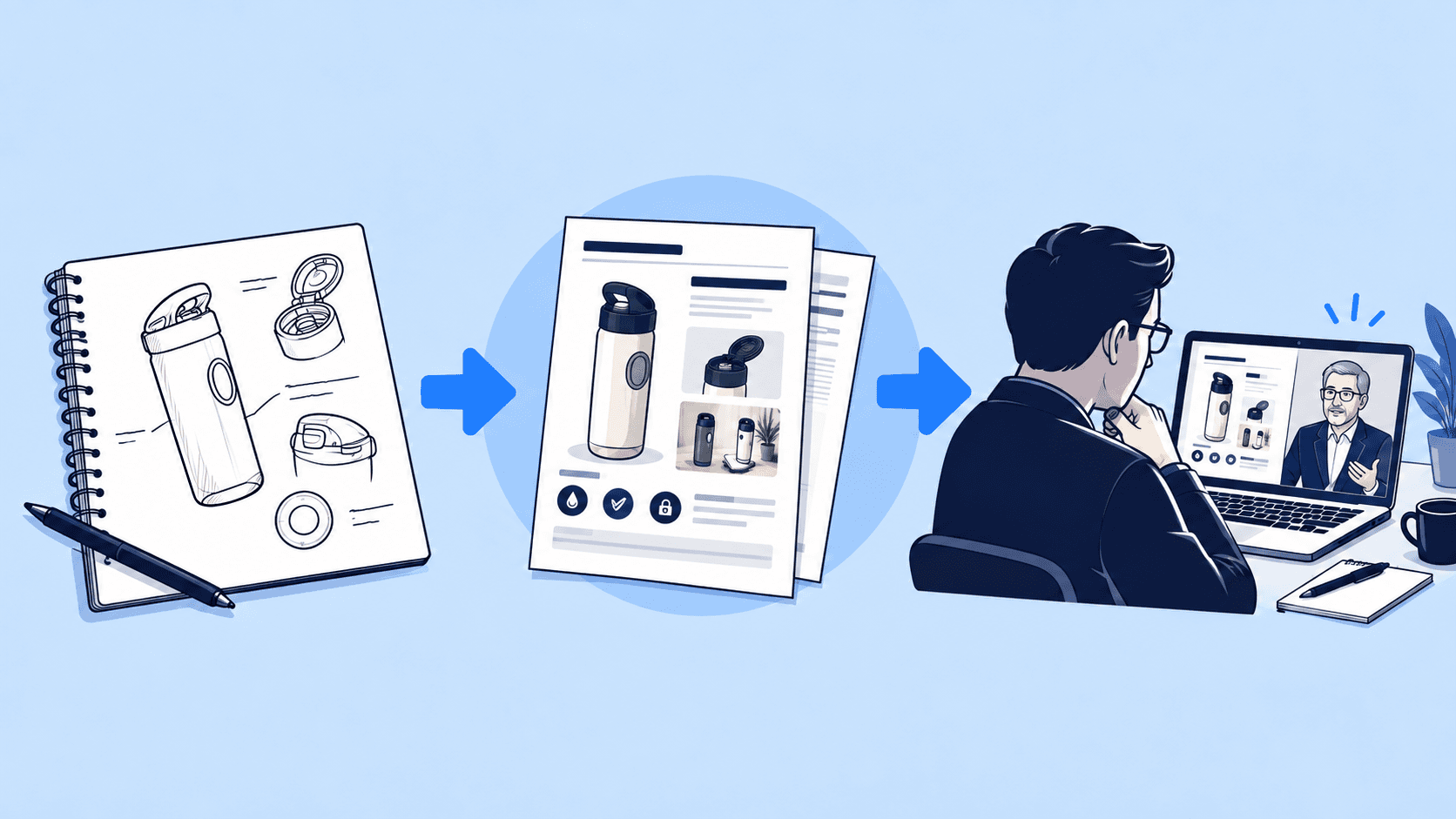
How to Create a Sell Sheet That Gets Companies Interested in Your Product
Learn how to create a product sell sheet for licensing that gets companies interested. Discover what to include, what to leave out, and how strong positioning can help your product stand out.
8 Things Companies Look for Before Licensing a Product
Want to sell an idea to a company? Learn what makes a product license-ready — from a licensing expert who's done it since his 20s.
